What mistakes occur most often
Most often, the Russian language goes away not because of one big decision, but because of repeated family habits. Here are the mistakes that weaken the language very quickly:
- Completely switch to the language of the environment "for convenience".
- Leave Russian only for comments, rules and controls.
- I hope that reading and writing in Russian will work out without a separate practice.
- Replace live conversation with only cartoons, videos or tasks.
- It is rare to talk to a child in Russian about something that is really interesting.
- Too often, correcting every mistake and knocking your child down in conversation.
- Agree that your child always responds only in another language, even at home.
- Do not give a Russian place in real life: Russian-speaking friends, events, family meetings, conversations with relatives, notes, books and games.
- Delay support, hoping that the language will recover later.
- To make Russian only a “duty” and not a language of intimacy, joy and communication.
Usually, the language begins to disappear when several such mistakes become the norm for the family.
Why even good intentions can sometimes hurt
Parents want to make it easier to adapt and therefore give more English, argue less with language switching and try not to push. But if Russian ceases to be the language of intimacy, games, books and personal conversations, it quickly fades into the background.
Then your child seems to know that Russian is important, but no longer feels why he needs it in real life.
What works instead of these mistakes
The strongest help is not hardness, but consistency: clear habits at home, books, live conversations and situations where Russian is needed naturally, not on command.
If you remove even 2-3 system errors, the language often begins to recover much faster than parents think.
Related articles

When a child’s Russian stops developing abroad
When the Russian language begins to “stop” in development: we understand why it is important for a child abroad, what signs parents notice and what helps without pressure.

How to maintain Russian without daily classes
How to maintain Russian without daily classes: understand why it is important for a child abroad, what signs parents notice and what helps without pressure.
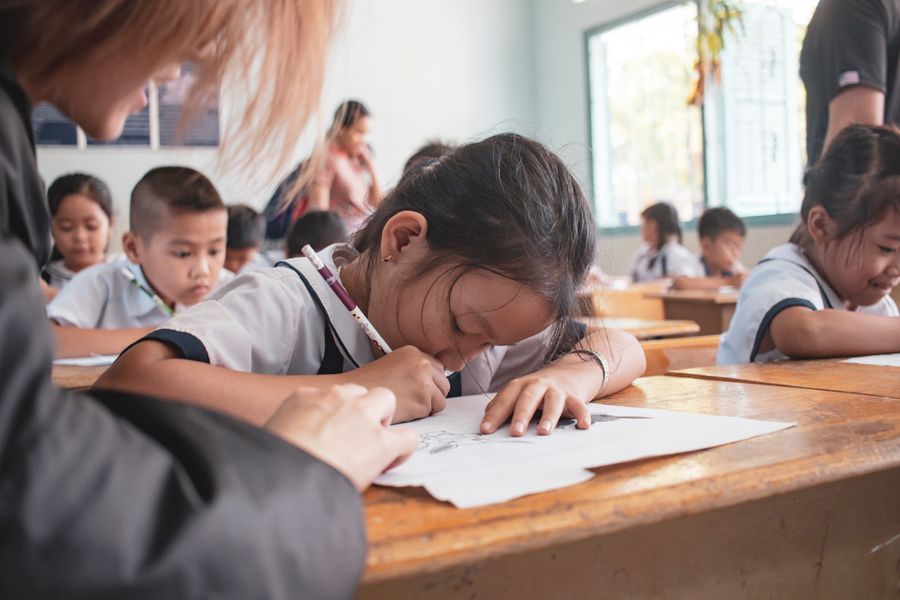
Russian language for children in Dubai
Learn why it is important for a child abroad, what signs parents notice and what helps without pressure.
Not sure whether your child’s language level is age-appropriate?
We’ll run a short assessment and explain what to focus on next.
Assess your child’s level