Russian abroad
When a child’s Russian stops developing abroad
When the Russian language begins to “stop” in development: we understand why it is important for a child abroad, what signs parents notice and what helps without pressure.
We will tell you what to pay attention to now, and help you understand what format of classes will give your child calm and noticeable progress.
When the Russian language begins to “stop” in development: we understand why it is important for a child abroad, what signs parents notice and what helps without pressure.
How to maintain Russian without daily classes: understand why it is important for a child abroad, what signs parents notice and what helps without pressure.
Learn why it is important for a child abroad, what signs parents notice and what helps without pressure.

Russian for children in the United States: understand why it is important for a child abroad, what signs parents notice and what helps without pressure.
Learn why it is important for a child abroad, what signs parents notice and what helps without pressure.
Learn why it is important for a child abroad, what signs parents notice and what helps without pressure.

How to talk at home so that your child does not forget Russian: we understand why it is important for a child abroad, what signs parents notice and what helps without pressure.
Is it worth sending a child to a Russian school abroad: we understand why it is important for a child abroad, what signs parents notice and what helps without pressure.
Online or offline: what is better for the Russian language: we understand why it is important for a child abroad, what signs parents notice and what helps without pressure.
How to understand the level of Russian in a child: we understand why it is important for a child abroad, what signs parents notice and what helps without pressure.
Do you need to be able to read English before admission: understand why it is important for a child abroad, what signs parents notice and what helps without pressure.
Frequent mistakes of parents when entering an international school: we analyze why it is important for a child abroad, what signs parents notice and what helps without pressure.
Do you need to study in advance before admission: we understand why it is important for a child abroad, what signs parents notice and what helps without pressure.
What are the tasks at the entrance tests: we understand why it is important for a child abroad, what signs parents notice and what helps without pressure.
How to prepare for an international school in 3 months: understand why it is important for a child abroad, what signs parents notice and what helps without pressure.
How to prepare for an international school in six months: understand why it is important for a child abroad, what signs parents notice and what helps without pressure.
Why your child does not respond to the teacher at the interview: we understand why it is important for your child abroad, what signs parents notice and what helps without pressure.
Private schools in Dubai: features of admission: analyze why it is important for a child abroad, what signs parents notice and what helps without pressure.
How is the adaptation after admission: we understand why it is important for a child abroad, what signs parents notice and what helps without pressure.

What to do if your child is not admitted: understand why it is important for your child abroad, what signs parents notice and what helps without pressure.
How to choose an international school: understand why it is important for a child abroad, what signs parents notice and what helps without pressure.
Whether to change school after moving: understand why it is important for a child abroad, what signs parents notice and what helps without pressure.
When to start learning English: understand why it is important for a child abroad, what signs parents notice and what helps without pressure.
How to increase vocabulary in English: understand why it is important for a child abroad, what signs parents notice and what helps without pressure.
Do you need to learn the English alphabet first: understand why it is important for a child abroad, what signs parents notice and what helps without pressure?

How to practice English at home: understand why it is important for a child abroad, what signs parents notice and what helps without pressure.
The best books in English for beginners: understand why it is important for a child abroad, what signs parents notice and what helps without pressure.
Do you need to watch cartoons in English: understand why it is important for a child abroad, what signs parents notice and what helps without pressure.

How to check the level of English in a child: understand why it is important for a child abroad, what signs parents notice and what helps without pressure.
What is more important: grammar or spoken English: understand why it is important for a child abroad, what signs parents notice and what helps without pressure.
Why your child forgets English words: understand why it is important for your child abroad, what signs parents notice and what helps without pressure.
How to make English a part of life: understand why it is important for a child abroad, what signs parents notice and what helps without pressure.
Online lessons or tutor in English: understand why it is important for a child abroad, what signs parents notice and what helps without pressure.
How many English classes you need per week: understand why it is important for a child abroad, what signs parents notice and what helps without pressure.
How to motivate a child to learn English: understand why it is important for a child abroad, what signs parents notice and what helps without pressure.
Mistakes parents when learning English: understand why it is important for a child abroad, what signs parents notice and what helps without pressure.
How to prepare for school English: understand why it is important for a child abroad, what signs parents notice and what helps without pressure.
What to do if a child does not like English: understand why it is important for a child abroad, what signs parents notice and what helps without pressure.
Who are bilinguals: understand why it is important for a child abroad, what signs parents notice and what helps without pressure.

Learn why it is important for a child abroad, what signs parents notice and what helps without pressure.
One Parent, One Language: Does It Work: Discuss why it matters to a child abroad, what signs parents notice, and what helps without pressure?
How to preserve both languages: understand why it is important for a child abroad, what signs parents notice and what helps without pressure.
How Bilingualism Affects School: Discuss why it is important for a child abroad, what signs parents notice and what helps without pressure.
How moving affects a child: we understand why it is important for a child abroad, what signs parents notice and what helps without pressure.
How to help a child adapt after moving: understand why it is important for a child abroad, what signs parents notice and what helps without pressure.
How to keep friends and language after moving: understand why it is important for a child abroad, what signs parents notice and what helps without pressure.

What to do in the first year after moving: understand why it is important for a child abroad, what signs parents notice and what helps without pressure.
How to combine two school programs: understand why it is important for a child abroad, what signs parents notice and what helps without pressure.

What circles help to adapt faster: we understand why it is important for a child abroad, what signs parents notice and what helps without pressure.
How to communicate with teachers of the international school: understand why it is important for a child abroad, what signs parents notice and what helps without pressure.
How to organize home language training: understand why it is important for a child abroad, what signs parents notice and what helps without pressure.
Frequent mistakes of families after moving: analyze why it is important for a child abroad, what signs parents notice and what helps without pressure.

Do online lessons work for children: understand why it is important for a child abroad, what signs parents notice and what helps without pressure.
How to choose an online school: understand why it is important for a child abroad, what signs parents notice and what helps without pressure.
How the first online lesson goes: we analyze why it is important for a child abroad, what signs parents notice and what helps without pressure.

Individual or group lessons: understand why it is important for a child abroad, what signs parents notice and what helps without pressure.

How to prepare a child for an online lesson: we understand why it is important for a child abroad, what signs parents notice and what helps without pressure.
How long an effective lesson lasts: we understand why it is important for a child abroad, what signs parents notice and what helps without pressure.

How to maintain motivation in online classes: understand why it is important for a child abroad, what signs parents notice and what helps without pressure.

What should be in a good online lesson: analyze why it is important for a child abroad, what signs parents notice and what helps without pressure.
How to understand that classes give a result: we understand why it is important for a child abroad, what signs parents notice and what helps without pressure.
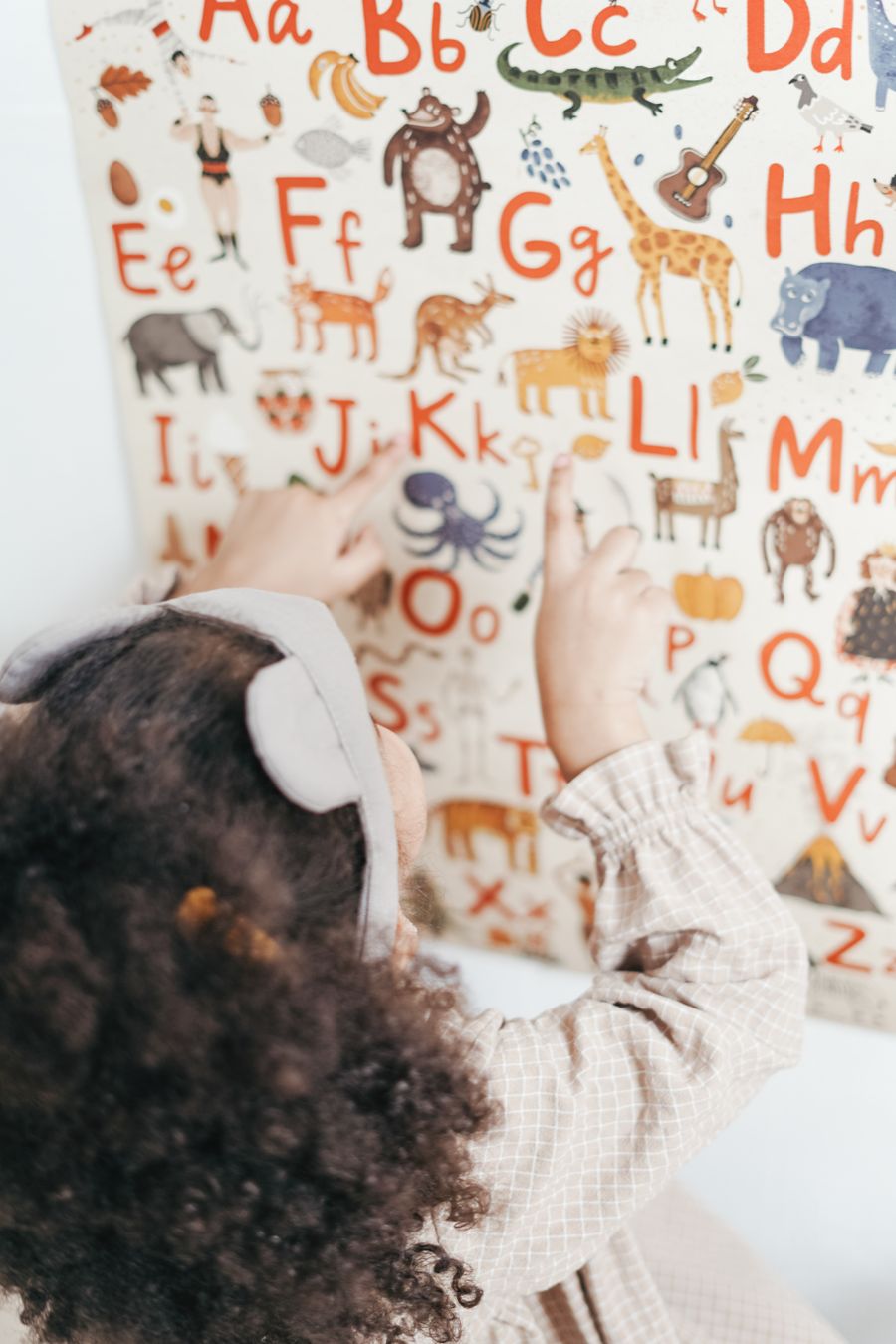
Why do bilingual children read Russian letters in English, confuse similar symbols and how to help them calmly remember the Cyrillic alphabet?

E, E, Yo, Yu and I often confuse bilinguals: they can denote two sounds and change the sound of a consonant in front of them.
Why the softness of consonants is difficult to hear for children abroad and how to explain a soft sign without cramming.

Which Russian sounds most often cause difficulties in bilingual children and why pronunciation is associated with reading and writing?

Malako, Sonze, Tale: Why Bilingual Children Make Such Mistakes and Which Topics Should Be Explained With Care
Why there are phrases “no dog” and “I’m going to my grandmother”, and how to help a child master cases without heavy cramming.
The genus of nouns often breaks down in bilingual children: we understand why this happens and how to fix grammar through speech.
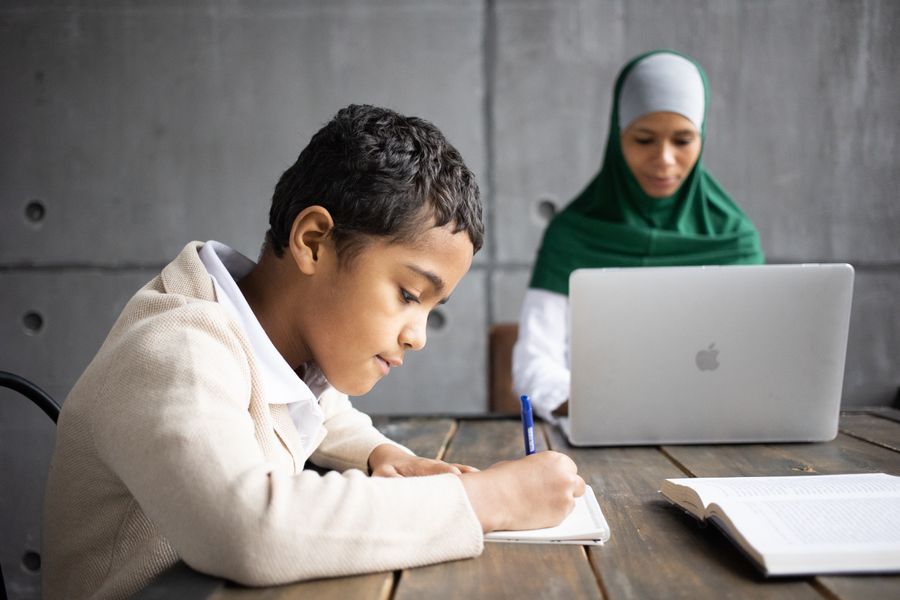
Why children abroad say "I'm walking" or "I went to Dubai" and how to explain the verbs of the movement in understandable situations
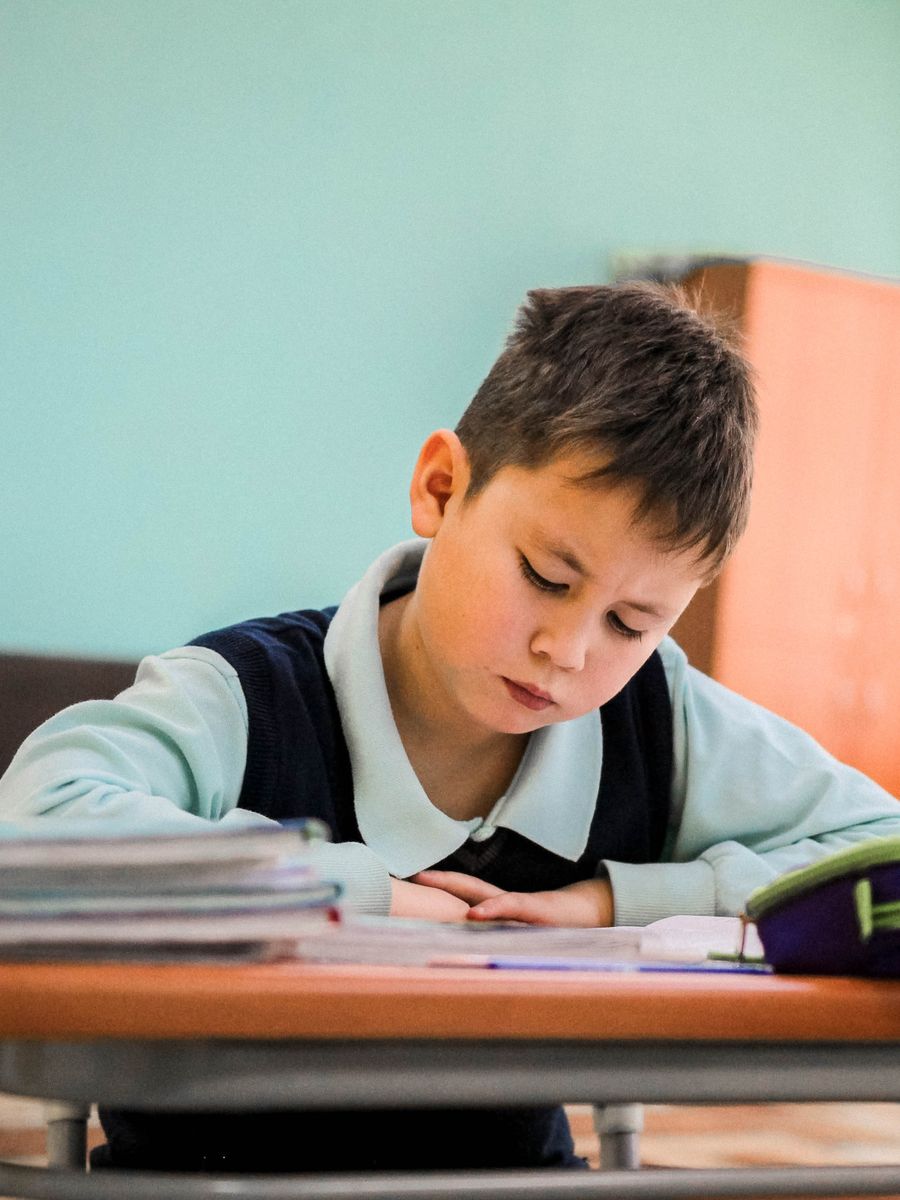
Your child speaks Russian at home, but lacks school, book and exact words. Why this happens and what to do.
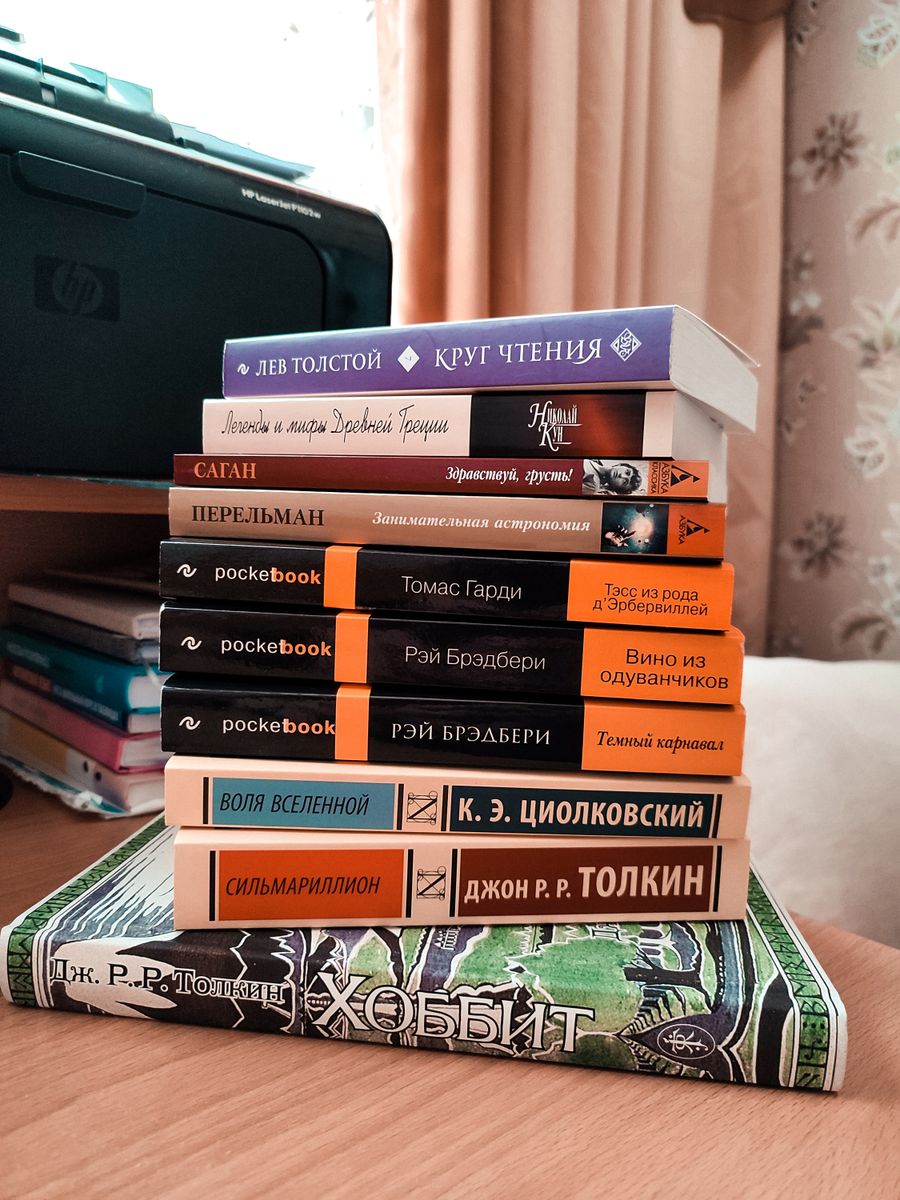
Why an age textbook is not always suitable for a child abroad and how to choose materials if Russian develops differently
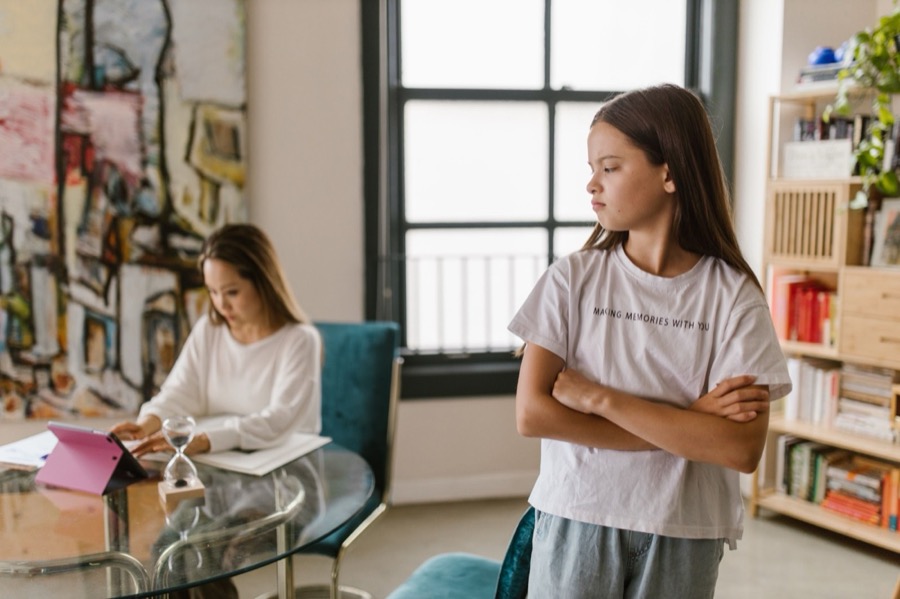
Why your child after moving begins to answer only in English, refuses to speak Russian and how to gently return the native language to the family life.
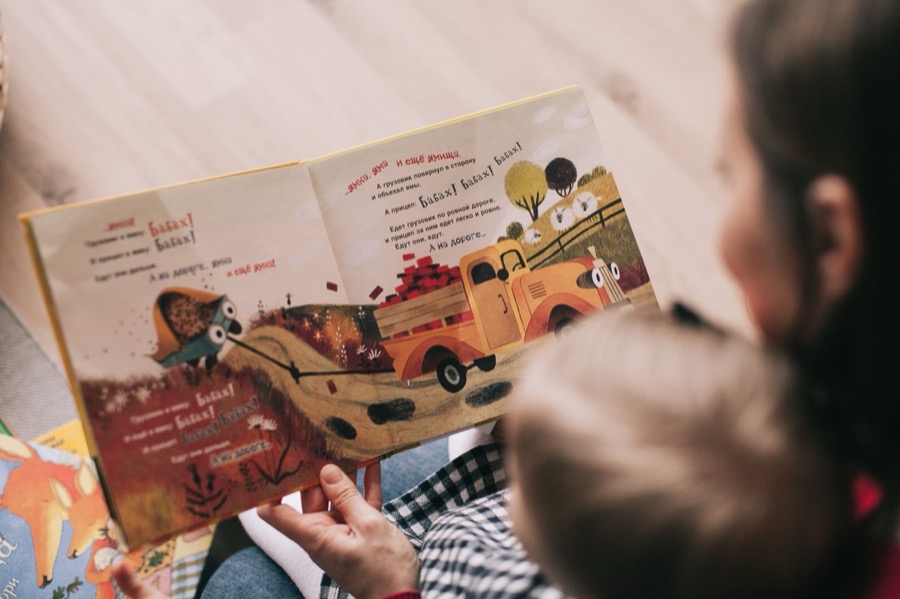
What to do if your child does not want to read Russian abroad: force, persuade or look for another way.
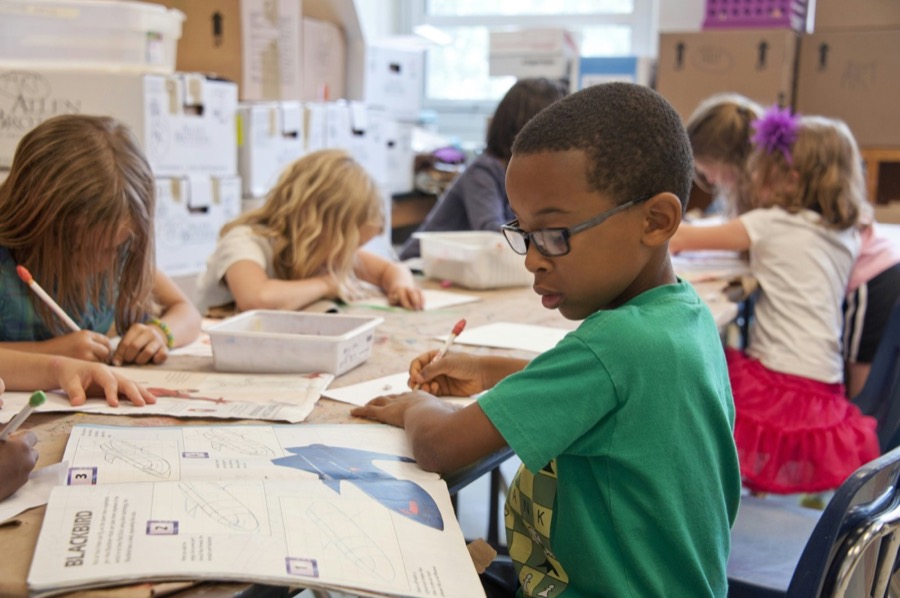
What is really looked at before Year 1: English, understanding the instructions, speaking, reading and being willing to learn in a new environment.
What is usually asked of a child at an interview for a British school and how to prepare without training and unnecessary stress.
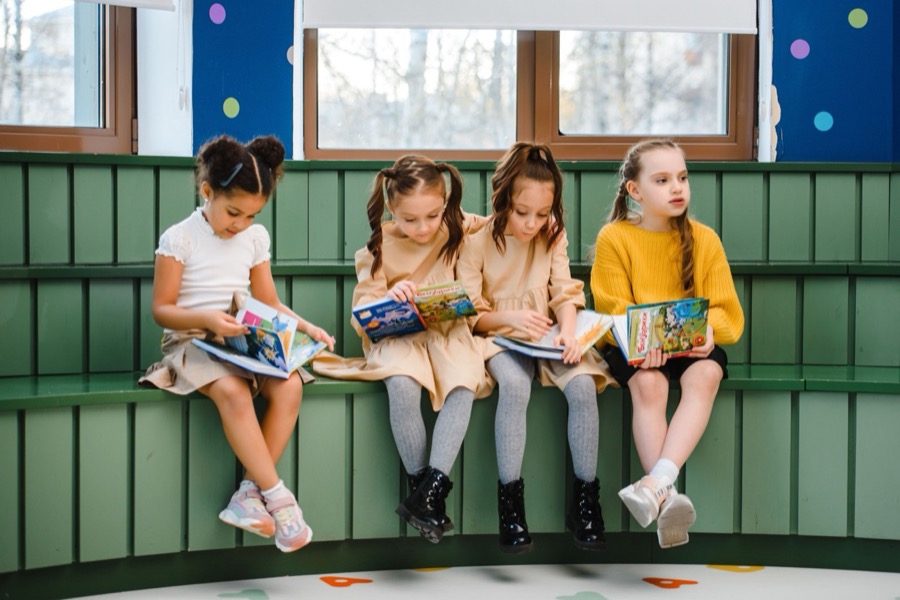
Briefly and clearly: how these steps are arranged, what is the difference between them and what is important for parents to understand when entering.
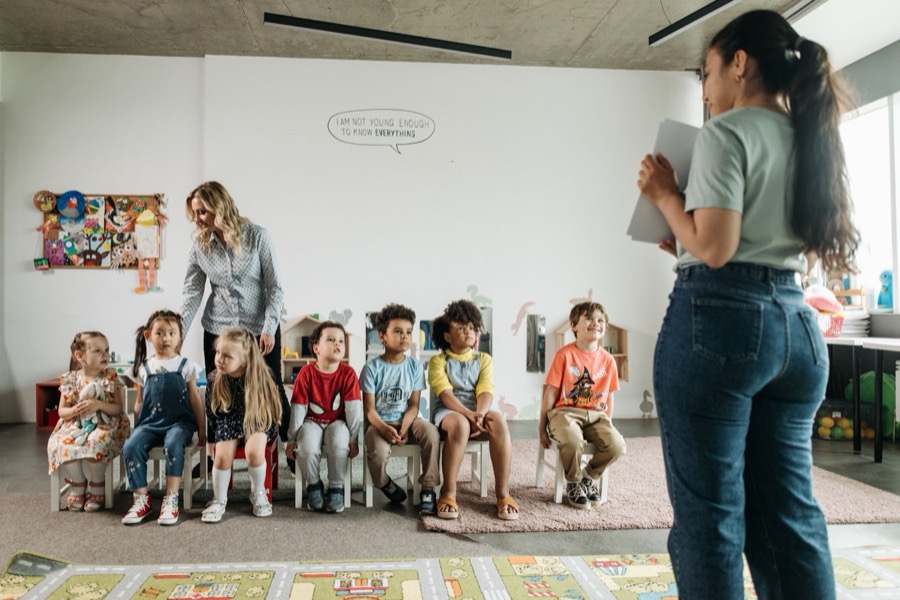
What is really important to the school when applying and whether it is possible to pass an interview if your child’s English is still weak.
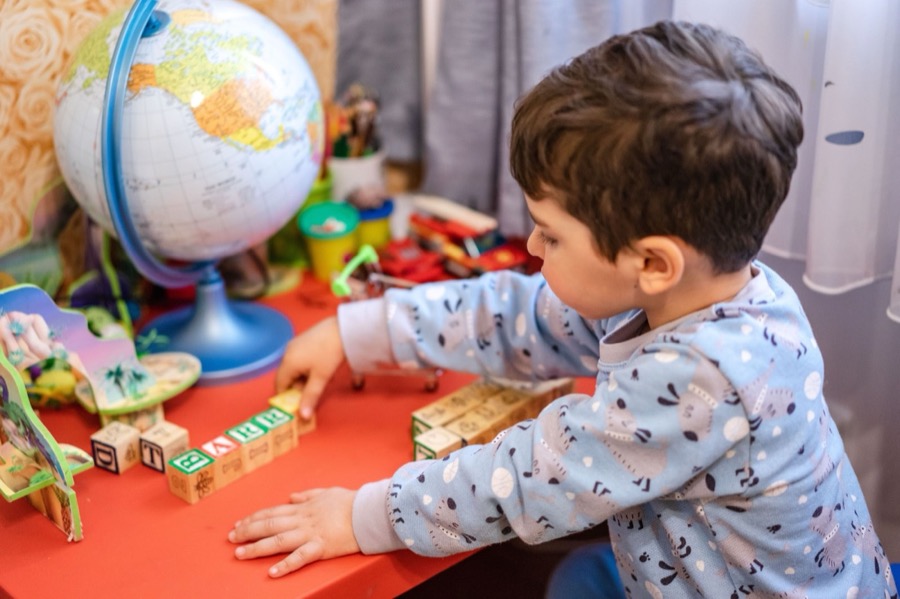
Is it normal for a child to speak two languages interspersed, both when it is part of development and when a closer look is needed?
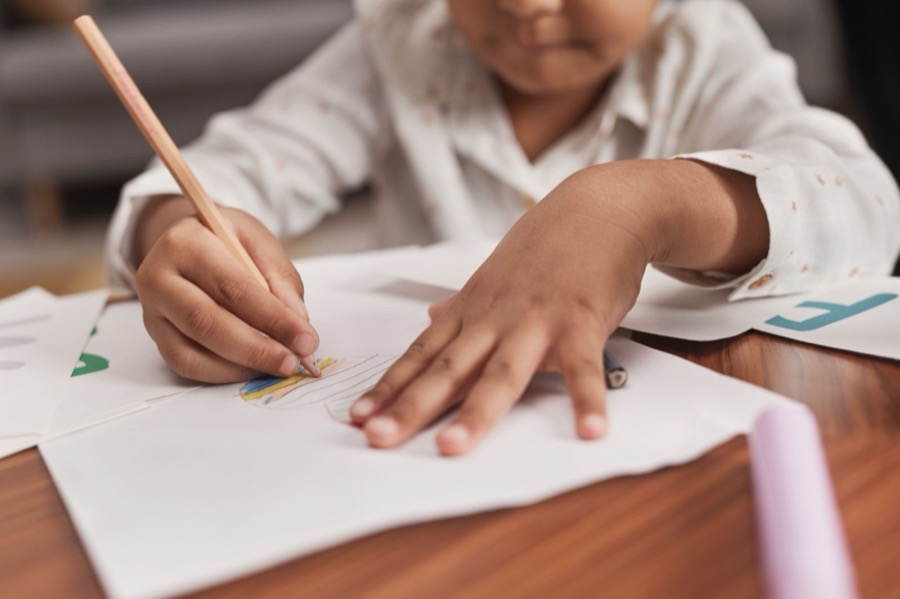
What to do if your child speaks Russian better than writes, and how to gently develop writing without overwhelming them and tears.
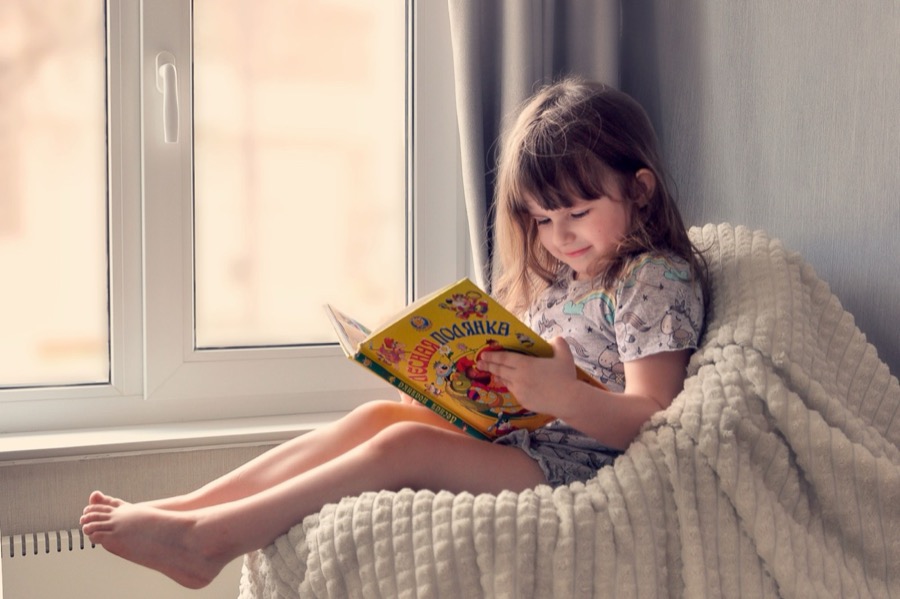
Is it true that a couple of conversations at home are enough, and how much Russian is really needed to keep the language from going away?
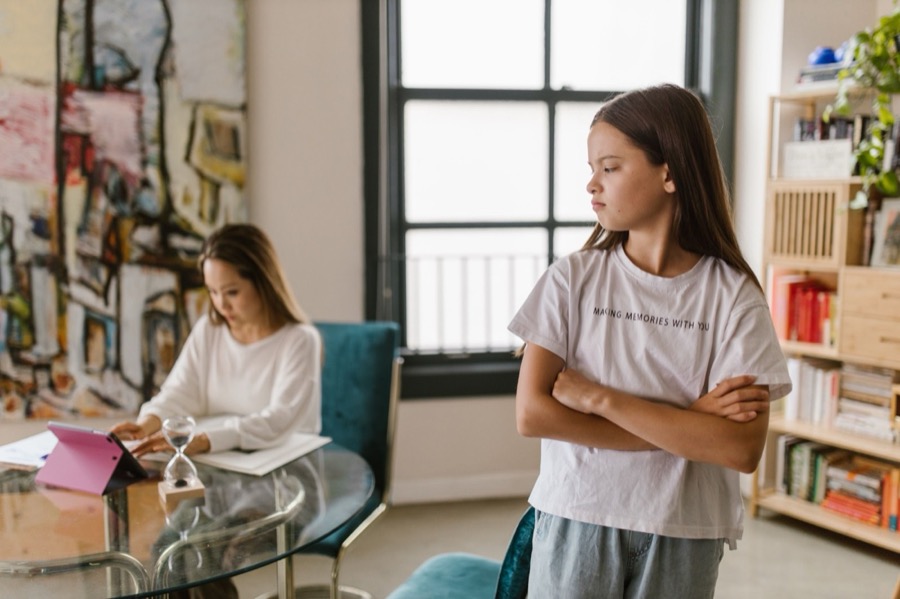
We understand when a later speech in a bilingual child is a variant of the norm, and when it is better to consult.
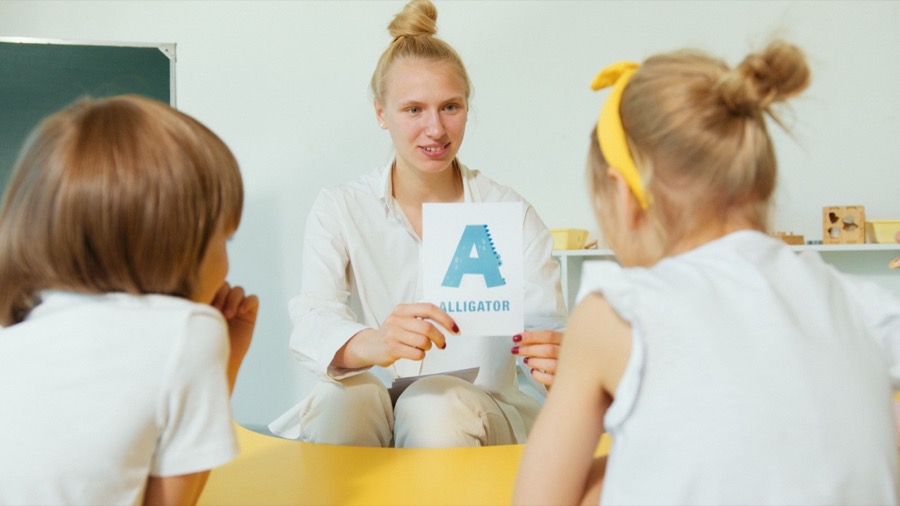
How to make reading in English feasible and interesting if your child is tired, guesses words or does not like books.
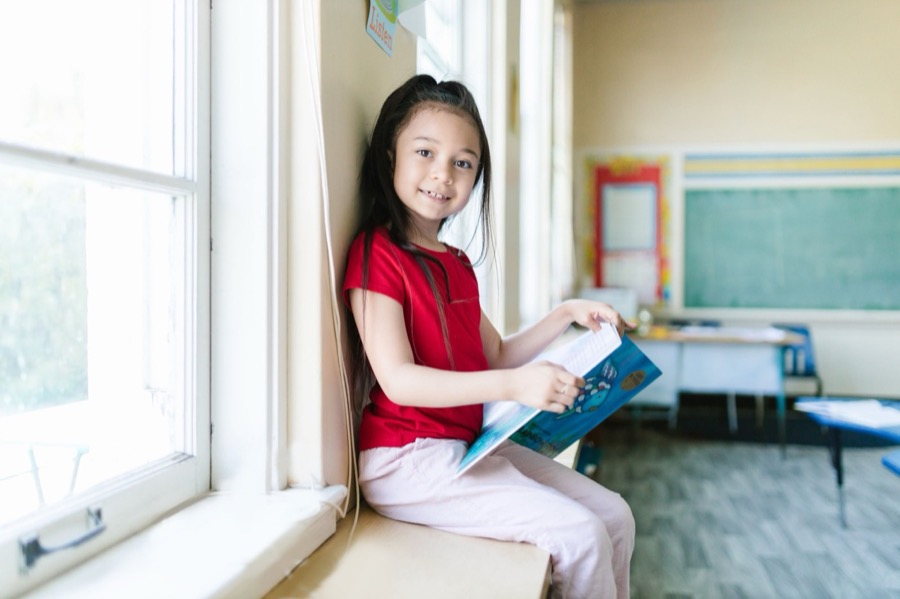
What is normal in the development of two languages, when you should be alert and how to help a child not to lose either Russian or confidence.
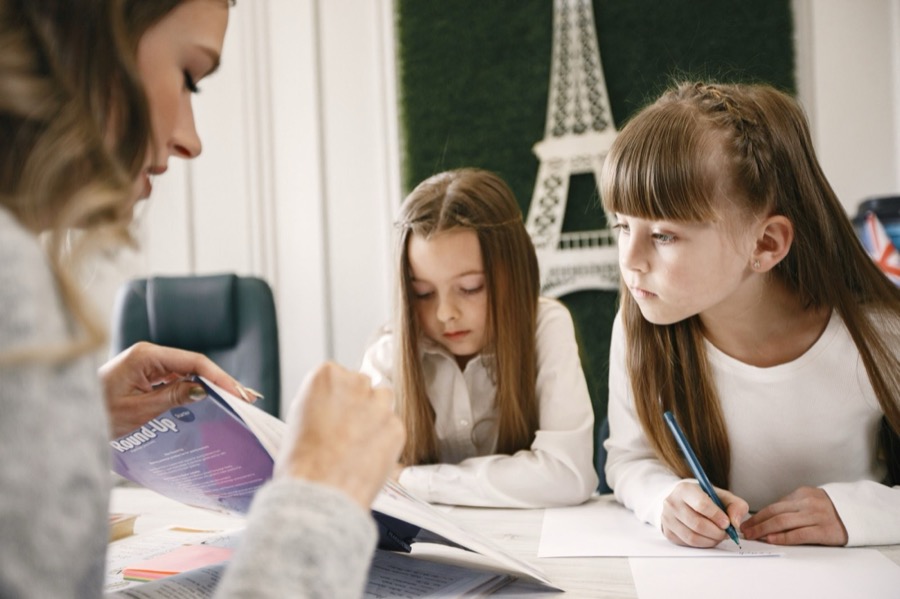
What to look at a parent if you need not just a teacher, but a person and a system that really moves your child forward.

How to restore interest in reading without pressure, conflict and endless persuasion to open a book for five minutes

How to understand that the Russian language in a child is not just “sinking”, but really begins to leave, and what to do before you lose confidence.

What signals indicate not just temporary adaptation, but that your child already needs support in the English and school environment.

What family habits gradually weaken the Russian language of your child, even if at home everyone is sure that “we already speak Russian”.
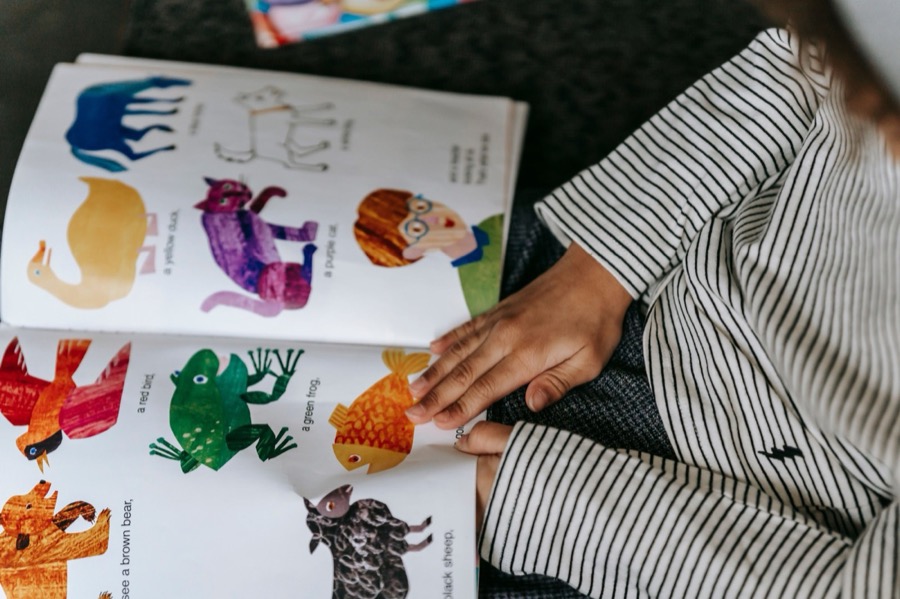
How to choose bilingual books when the usual tips don’t work and your child quickly loses interest on the front pages.