Why the first period is especially important
After a move, a child is adjusting to a new environment, school, language and set of expectations all at once. One language can quickly become the language of learning and independence, while the other is reduced to home routines and short phrases.
The goal is not perfection but steady progress: your child understands more, responds with greater confidence, avoids the language less and engages with tasks more readily.
What might alert you
If a child has become more silent, avoids Russian, gets tired of school, is afraid to talk to teachers or does not understand tasks, it is important not to wait for everything to pass by itself. Often a soft structure and clear support are needed.
Grades and isolated mistakes do not always reveal the cause. It is more helpful to identify the exact challenge: vocabulary, listening, reading, writing, speaking or confidence.
What helps
Stable rituals, calm conversations, support for school English, preservation of Russian and classes where your child gradually regains confidence help.
Similar topics: How to organise language learning at home.
When additional support may help
If the same difficulty continues for weeks and practice is already causing tension at home, it is worth seeking support before your child becomes discouraged. The right help can reduce pressure and make the language feel useful and alive again.
If you want not just to read articles, but to understand the level of your child and build a program, look at the course. Russian language for bilingual children.
Related articles
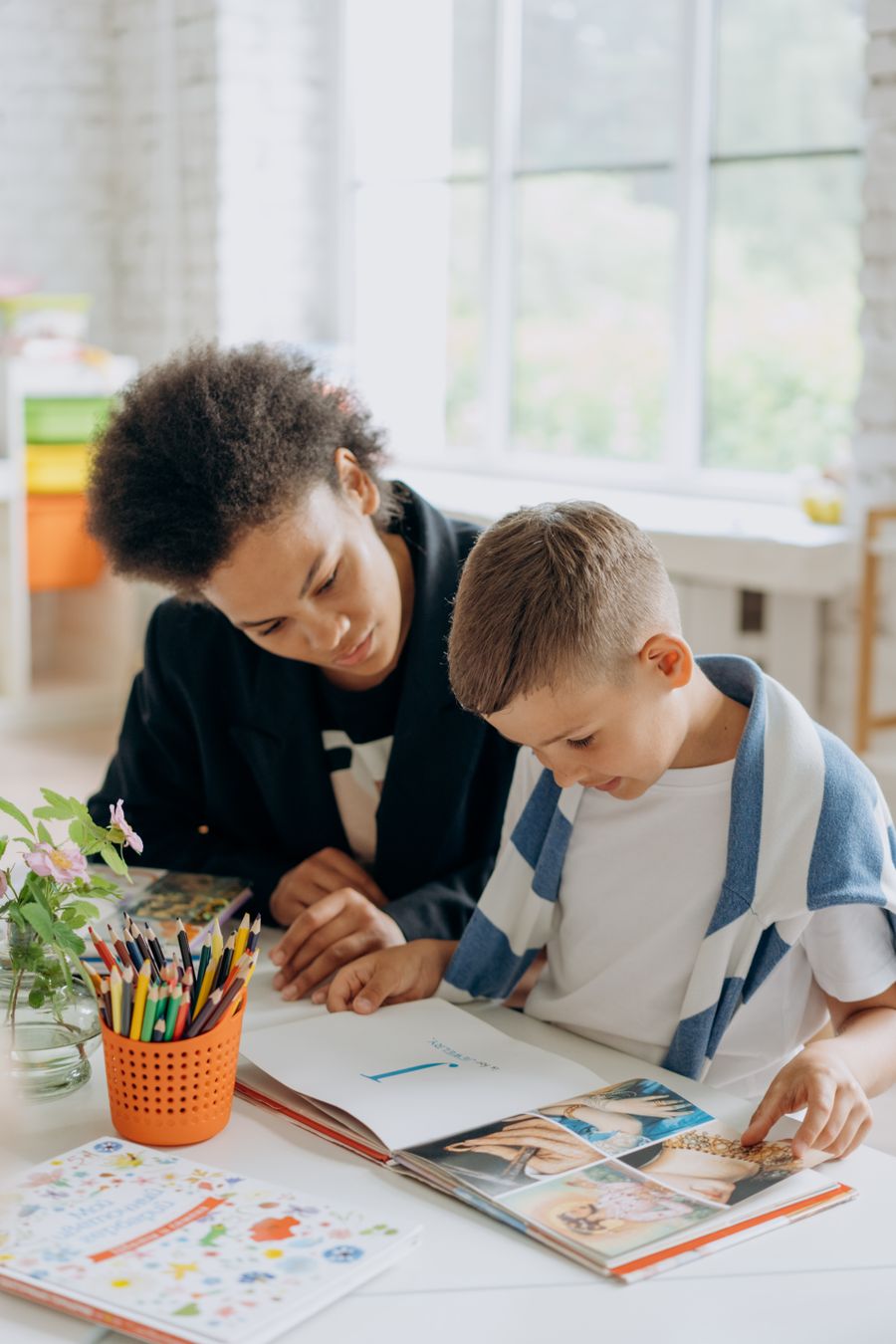
How moving affects your child
How moving affects a child: we understand why it is important for a child abroad, what signs parents notice and what helps without pressure.
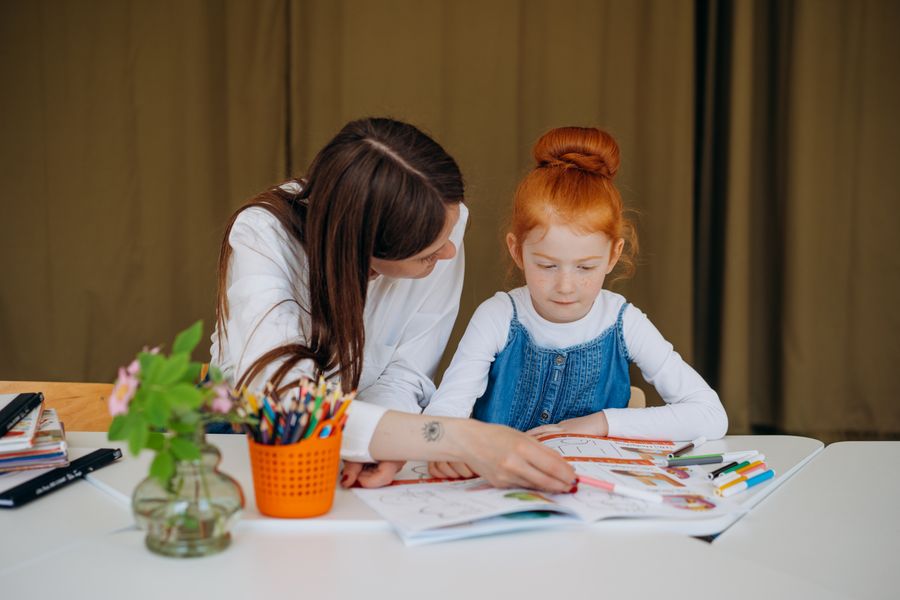
How to Help Your Child Adapt After Moving
How to help a child adapt after moving: understand why it is important for a child abroad, what signs parents notice and what helps without pressure.
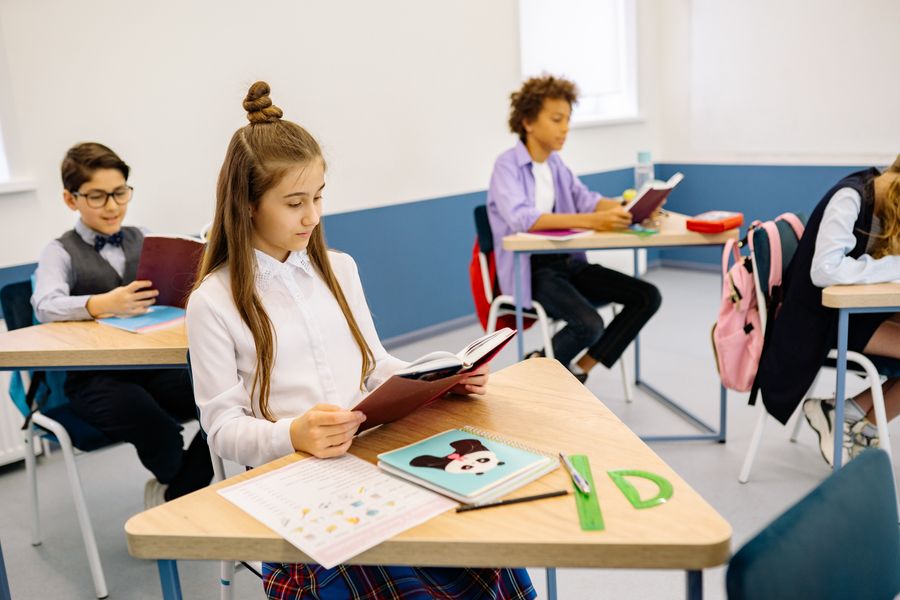
How to Keep Friends and Language After Moving
How to keep friends and language after moving: understand why it is important for a child abroad, what signs parents notice and what helps without pressure.
Not sure whether your child’s language level is age-appropriate?
We’ll run a short assessment and explain what to focus on next.
Assess your child’s level