Why the soft sign is not obvious
In Russian softness can change the meaning of the word: chalk and shoal, brother and take, angle and coal. But if a child lives in an English-speaking environment, their hearing may not automatically make that difference.
He hears the whole word, but he doesn't always notice a small change inside. Therefore, a soft sign seems superfluous to him: “Why write a letter if it does not read like a sound?”
How it manifests itself in reading and writing
Your child can read words without softness, skip a soft sign on the letter or put it where it is not needed. Sometimes he remembers individual words, but does not transfer the rule to new ones.
It becomes especially difficult when softness is associated not only with a soft sign, but also with the letters E, Yo, Yu, I, I. Then your child needs to hold several ways to indicate softness at once.
What helps you hear the difference
It is better to start not with rules, but with hearing. You can play in pairs of words: angle - coal, horse - horse, brother - take. Your child listens, shows a picture or chooses the right word.
After auditory support, it is easier to move to writing: a soft sign becomes not an abstract letter, but a sign that the word sounds and means differently.
Why don't you hurry?
Softness is a subtle skill. If a child does not hear the difference for a long time, it does not mean that he does not try. He needs more examples, slow pronunciation, visual support and quiet practice.
When the skill appears, your child begins to read better, write more carefully and feel the structure of the Russian word more confidently. If errors are already noticeable in the letter, it is useful to continue the article. Why does a child write in Russian “as he hears”?.
Related articles
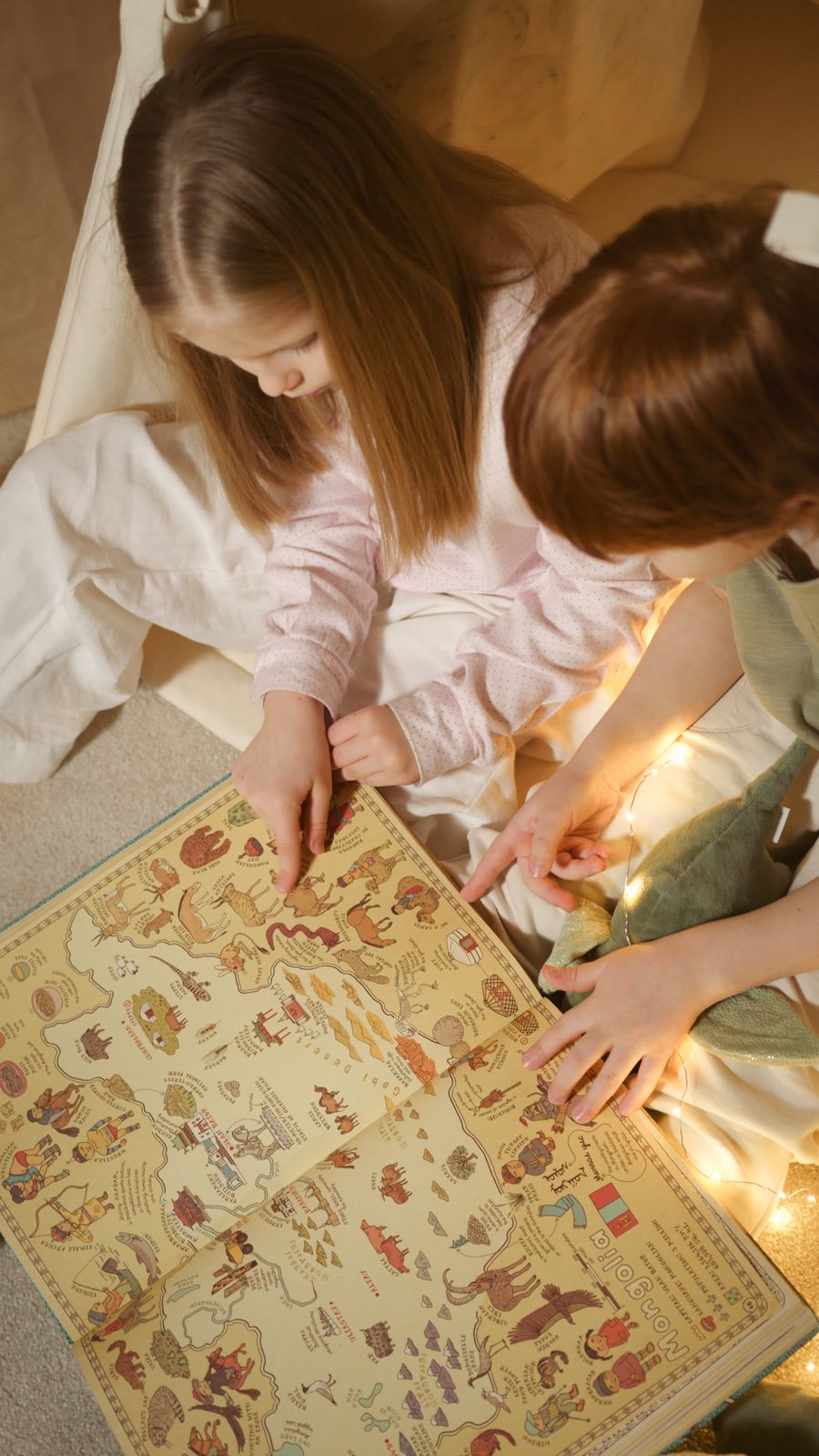
When a child’s Russian stops developing abroad
When the Russian language begins to “stop” in development: we understand why it is important for a child abroad, what signs parents notice and what helps without pressure.

How to maintain Russian without daily classes
How to maintain Russian without daily classes: understand why it is important for a child abroad, what signs parents notice and what helps without pressure.
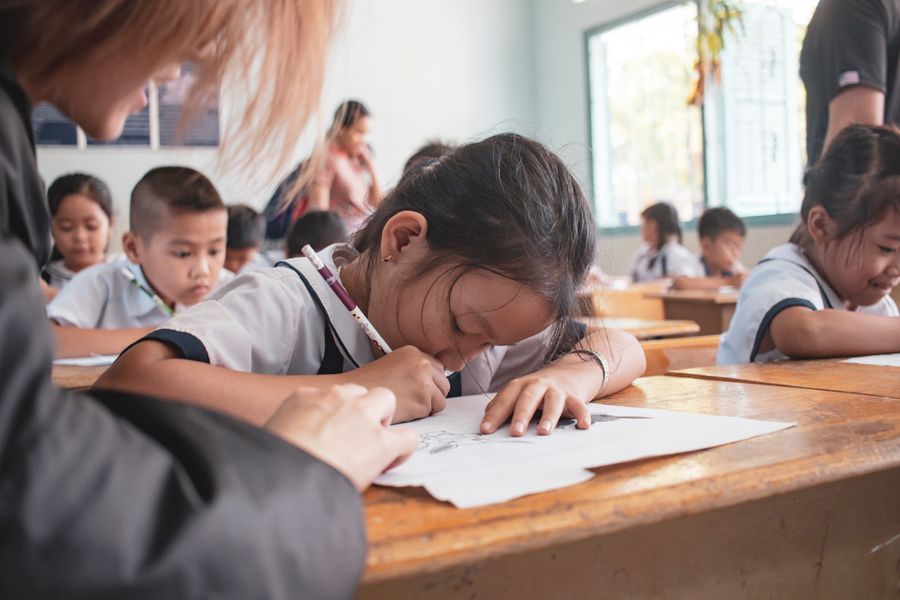
Russian language for children in Dubai
Learn why it is important for a child abroad, what signs parents notice and what helps without pressure.
Not sure whether your child’s language level is age-appropriate?
We’ll run a short assessment and explain what to focus on next.
Assess your child’s level