Why does a child suddenly stop speaking Russian?
After moving, this happens very often: your child quickly gets used to school, friends, clubs and games in English. Russian stays only at home, and your child begins to answer short, mix languages or even switch only to English.
For parents, this sounds painful: it seems as if your child rejects the native language or deliberately loses it. But most often it is not in protest, but in the fact that English becomes the language of ease, and Russian gradually begins to feel like the language of effort.
What is going on in the family at this moment?
Adults usually start to worry and become more controllable, asking them to answer only in Russian, correcting each mistake, repeating “say right,” or getting angry if your child answers in English. As a result, Russian is increasingly associated not with intimacy, but with tension.
Your child quickly catches this feeling. Then he either goes into monosyllabic answers, or simply chooses English as a safer and faster way of communicating.
How to bring Russian back without pressure
What works best is not a strict ban on English, but a lively environment where Russian is again needed for warm contact. Good help joint reading, family conversations about what your child is really interested in, games, bedtime stories, discussion of films and small daily rituals in Russian.
It is very important not to demand perfect speech. If your child inserts English words or builds a phrase unevenly, it is better to maintain the conversation and gently give the correct option in the answer. Then Russian again becomes the language of communication, and not the language of constant verification.
When it is worth connecting help from the outside
If you notice that the Russian language in a child is gradually fading - he is increasingly replacing it with English, reads less Russian, avoids books, answers shorter and wants to talk less - this is a good time to connect support. Help from the outside is needed not only in difficult cases: it helps to gently return the Russian language a living place in the life of your child, while the base is still there.
- You want your child not to lose his native language at all, but to speak freely and feel confident in it.
- There is a possibility that the family will one day return home and Russian will once again become the language of school, friends and everyday life.
- Russian can come in handy later for studies, exams, communication with relatives, work and adult conversations.
- It is important for you to preserve not only speech, but also literacy: so that your child can write, answer and express thoughts without shyness.
- Your child already has a base, and it is not a new language from scratch: it is easier to maintain and grow it now than to restore it again.
A good sign that you are moving in the right direction – your child begins to respond a little longer, less often leaves the conversation and ceases to perceive Russian as an unpleasant duty. From now on, the language can no longer be saved, but calmly strengthened.
Similar articles
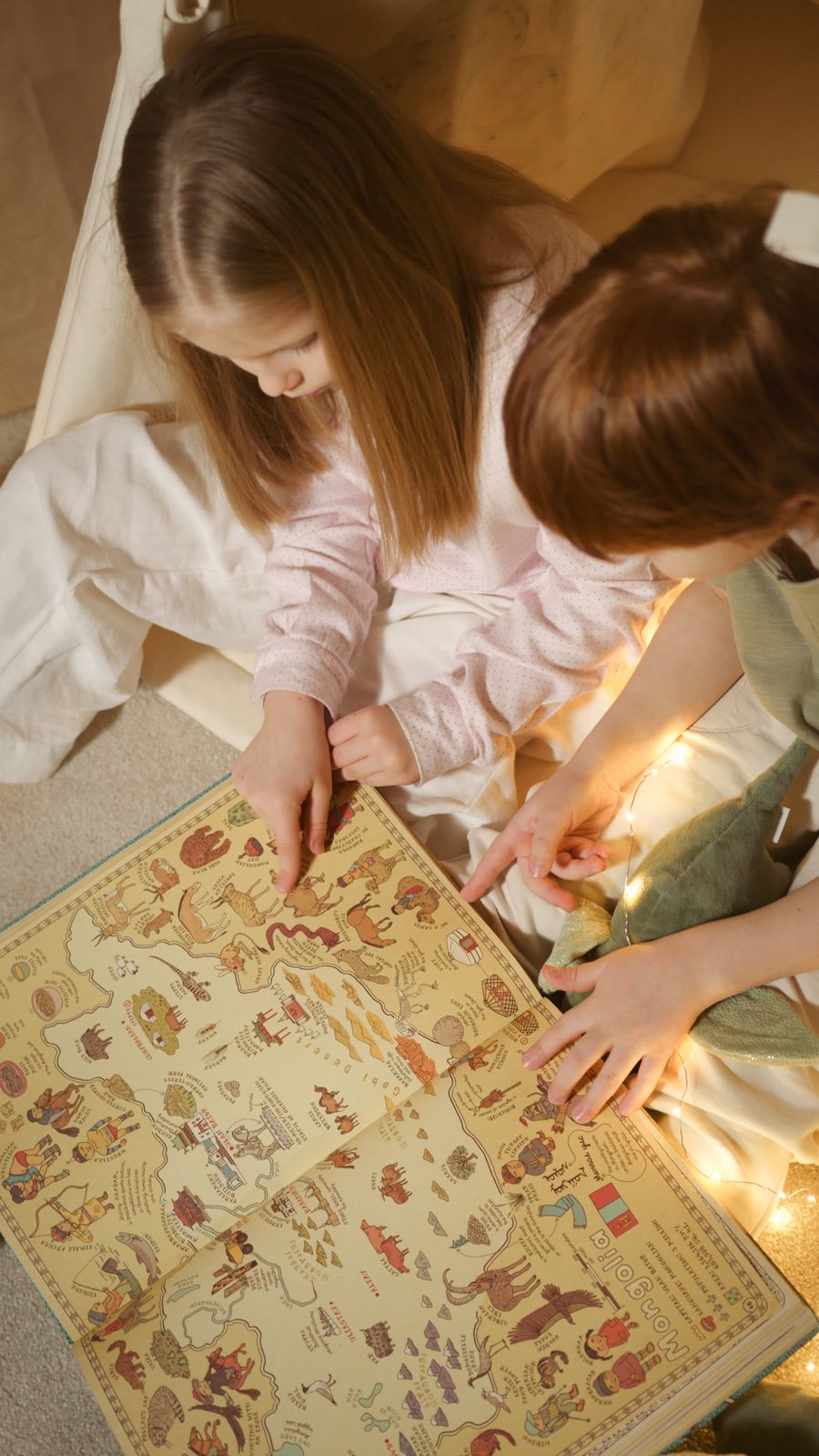
When a child’s Russian stops developing abroad
When the Russian language begins to “stop” in development: we understand why it is important for a child abroad, what signs parents notice and what helps without pressure.
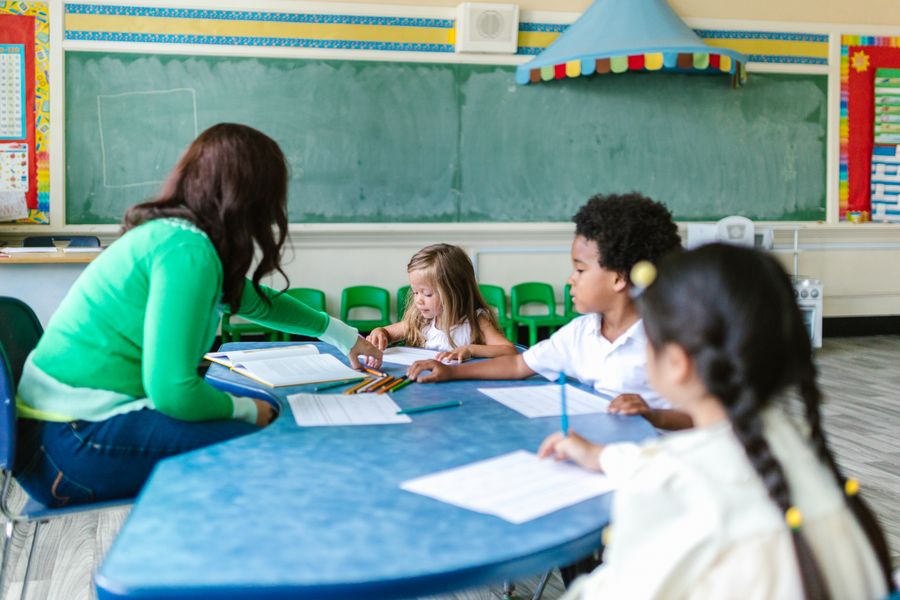
How to maintain Russian without daily classes
How to maintain Russian without daily classes: understand why it is important for a child abroad, what signs parents notice and what helps without pressure.
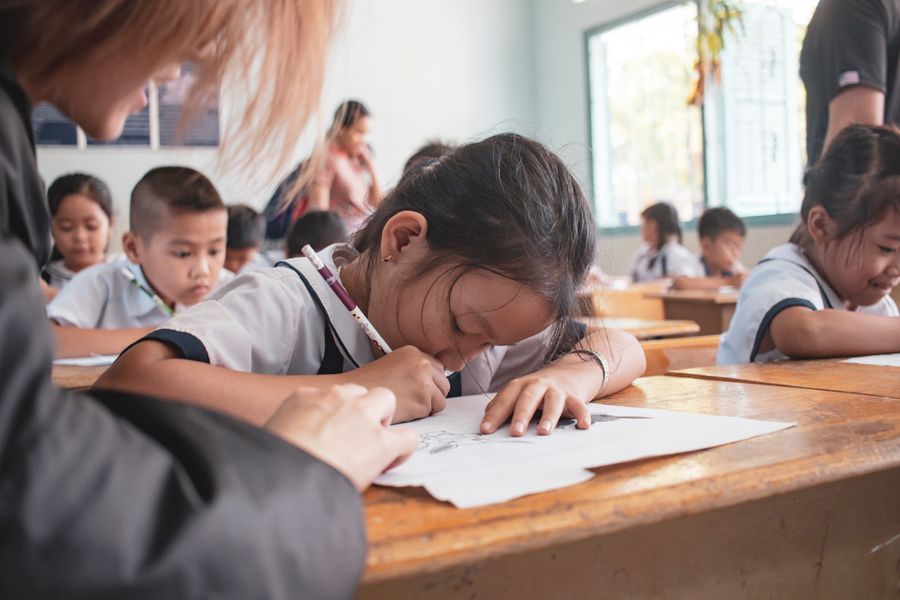
Russian language for children in Dubai
Learn why it is important for a child abroad, what signs parents notice and what helps without pressure.
Not sure where to start?
Leave a request, and we will help you understand the level of your child, choose the program and format of classes.
Get counseling.