What usually happens
Russian rarely continues to develop on its own when a child lives abroad. Even in a Russian-speaking home, children may not get enough reading, writing, precise vocabulary or extended conversation, so their Russian can gradually become limited to everyday topics and short phrases.
The goal is not perfection but steady progress: your child understands more, responds with greater confidence, avoids the language less and engages with tasks more readily.
What to look out for
Understanding parents is only one part of language development. Notice whether your child can explain an idea, retell a story, read a text, write a message and find Russian words without constantly switching to English.
Grades and isolated mistakes do not always reveal the cause. It is more helpful to identify the exact challenge: vocabulary, listening, reading, writing, speaking or confidence.
What helps
A simple but consistent routine works best: meaningful conversations, suitable books, short writing tasks and lessons in which your child speaks often without being afraid of mistakes.
Similar topics: Russian language for children in Israel and How to talk at home so that your child does not forget Russian.
When additional support may help
If the same difficulty continues for weeks and practice is already causing tension at home, it is worth seeking support before your child becomes discouraged. The right help can reduce pressure and make the language feel useful and alive again.
If you want not just to read articles, but to understand the level of your child and build a program, look at the course. Russian language for bilingual children.
Related articles

When a child’s Russian stops developing abroad
When the Russian language begins to “stop” in development: we understand why it is important for a child abroad, what signs parents notice and what helps without pressure.
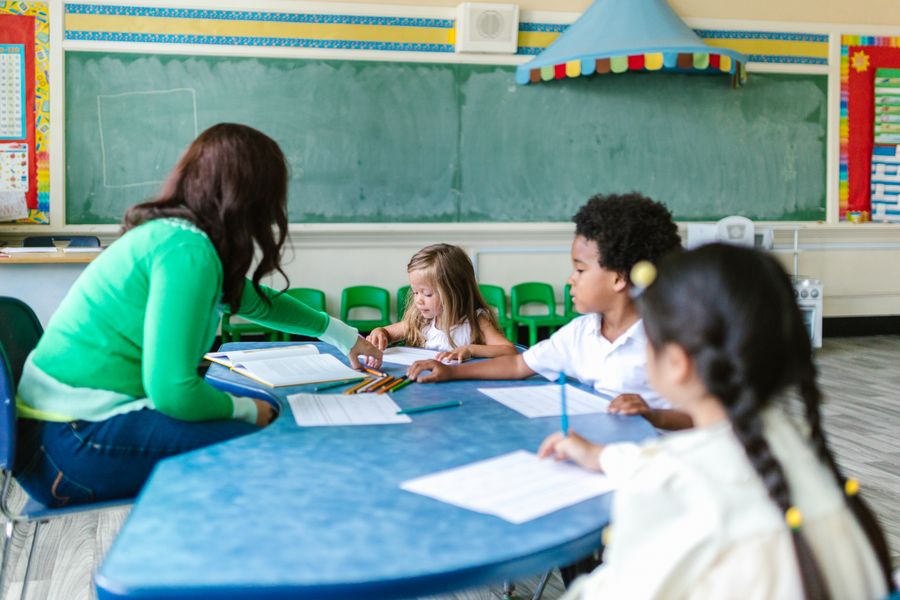
How to maintain Russian without daily classes
How to maintain Russian without daily classes: understand why it is important for a child abroad, what signs parents notice and what helps without pressure.
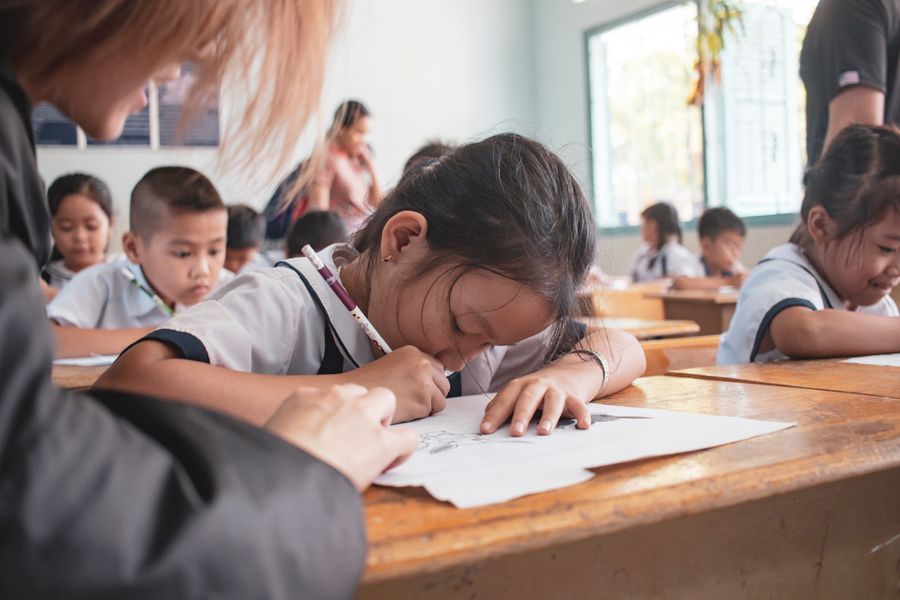
Russian language for children in Dubai
Learn why it is important for a child abroad, what signs parents notice and what helps without pressure.
Not sure whether your child’s language level is age-appropriate?
We’ll run a short assessment and explain what to focus on next.
Assess your child’s level