What is important to the school actually
Schools usually look not at lists of learned words, but at how a child feels in a real school situation. Can he understand a simple instruction, answer, join the task and not get lost among other children?
For parents, this is an important reference point: your child needs not only to know English “in general”, but to be able to use it in school life.
What skills to check in advance
It is useful to check a few simple things: whether your child understands requests like “sit down”, “listen”, “show”, can talk about yourself, answer more than one word and withstand a short conversation in English without much stress.
Year 1 is not just about words and instructions. For school, your child still needs to withstand a more structured day: sit in a group, switch between tasks, wait for his turn, do not succumb to emotions if something does not work, and at least gradually get used to school rules.
Therefore, it happens in different ways: one child in a new environment quiets down and gets lost, another quickly gets tired, the third, on the contrary, begins to make noise, get up, go out or “fear” not because he is bad or unbred, but because the nervous system does not yet cope with the format of school. It's also part of readiness, and it's important to see it separately from English.
Just because you notice these reactions doesn’t mean that your child is “not fit” for school. More often, this is a signal that he needs a softer preparation: get acquainted with the school rhythm in advance, strengthen understanding of instructions, learn to withstand short learning episodes, ask for help and calmly live the load of the new environment.
What makes a better adaptation?
The best help is not training, but preparing for ordinary school moments: to understand the request of an adult, to ask again, if you do not understand, to tell about yourself, calmly answer and ask for help.
Then your child comes to Year 1 not only with words, but with an inner feeling: “I understand what is happening and I can cope.”
What to do at home 2-3 months before school
The best work is not long classes, but short repetitive situations, similar to school. For example: listen to a short instruction and execute it, sit for 10-15 minutes on a small task, raise your hand and answer, ask for help if you do not understand something, and calmly move from one thing to another.
It is useful to introduce a small learning rhythm in advance: gather, sit down, listen, finish and clean up after you. For a child, this seems like simple little things, but then they form the feeling: “I know how to be in the school system and do not fall apart from it.”
If a child is anxious, quickly irritated or does not like everything new, it is especially important to play school situations in advance without pressure: get acquainted with the format, discuss what will happen in class, how you can ask again, where to go for help and what to do if you are tired. This gives support to both your child and the parents.
Related articles
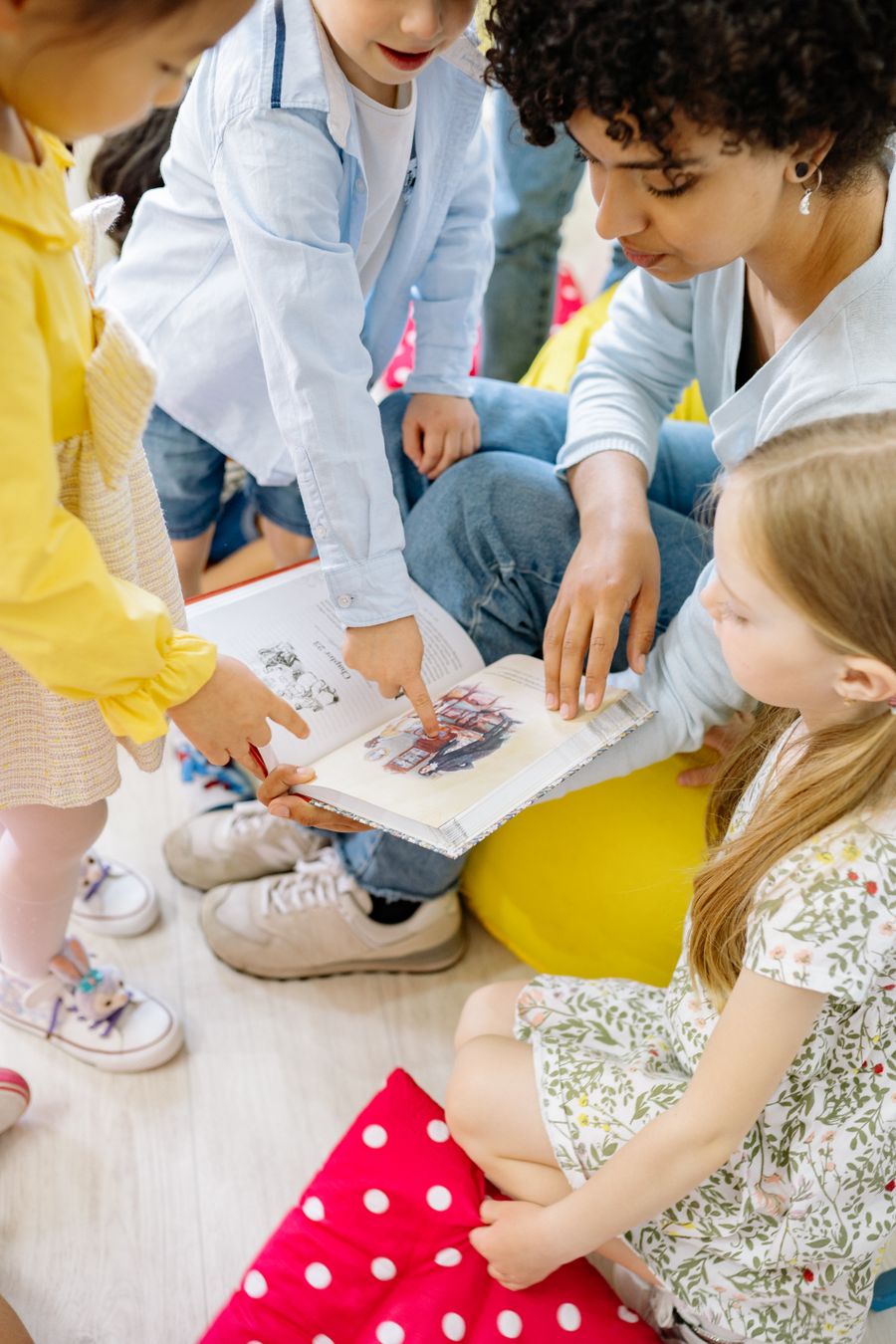
Does your child need to read in English before starting school?
Do you need to be able to read English before admission: understand why it is important for a child abroad, what signs parents notice and what helps without pressure.
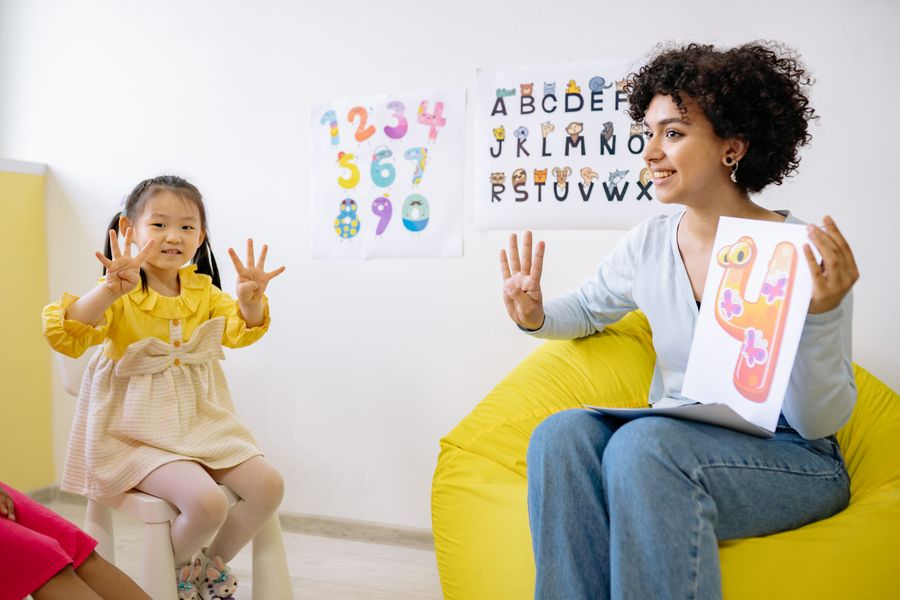
Common mistakes parents make when applying to an international school
Frequent mistakes of parents when entering an international school: we analyze why it is important for a child abroad, what signs parents notice and what helps without pressure.
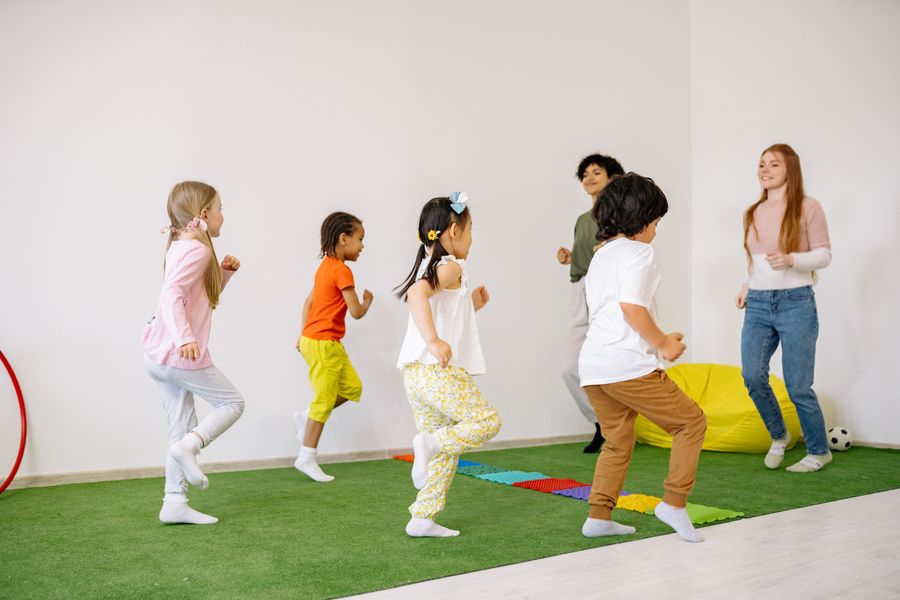
Do you need to practice in advance before admission?
Do you need to study in advance before admission: we understand why it is important for a child abroad, what signs parents notice and what helps without pressure.
Not sure whether your child’s language level is age-appropriate?
We’ll run a short assessment and explain what to focus on next.
Assess your child’s level