What's the complexity of these letters?
Your child expects one letter to represent one clear sound. But in Russian, E, Yo, Yu and I can sound like two sounds at the beginning of a word: spruce, hedgehog, yula, pit. And after the consonant, they often show that the consonant has become soft: a ball, a forest, a hatch.
For a child who learns through English, this is unusual. In English, too, there are complex rules of reading, but the very idea of “letter changes the neighboring sound” in Russian feels different.
What mistakes look like
Your child can read "mint" as "mal", "cloak" as "onion", "sit" as "sal". Sometimes it misses the softness altogether or adds extra sound where it is not.
This can also be seen in the letter: a child may not understand for a long time why one word needs an I rather than an A, and why Yu is not just a beautiful letter for the Y sound.
How to explain without complicated terms
It is not necessary to immediately say “yotized vowels”. It is enough to show your child that these letters can make a consonant soft. You can compare pairs: small - mint, onion - hatch, nose - carried.
Auditory games work well: an adult pronounces a couple of words, and a child guesses where the word “soft” is. Only then does it make sense to write the letters.
When a skill is fixed
Usually a child needs many short repetitions in different words. Once he has understood a rule, it does not mean that he will immediately apply it in reading and writing.
But when the letters E, E, Yu, I cease to be a mystery, it becomes easier for a child to read Russian words smoothly and write consciously, not randomly. A very close subject. softness: These skills often go hand in hand.
Related articles
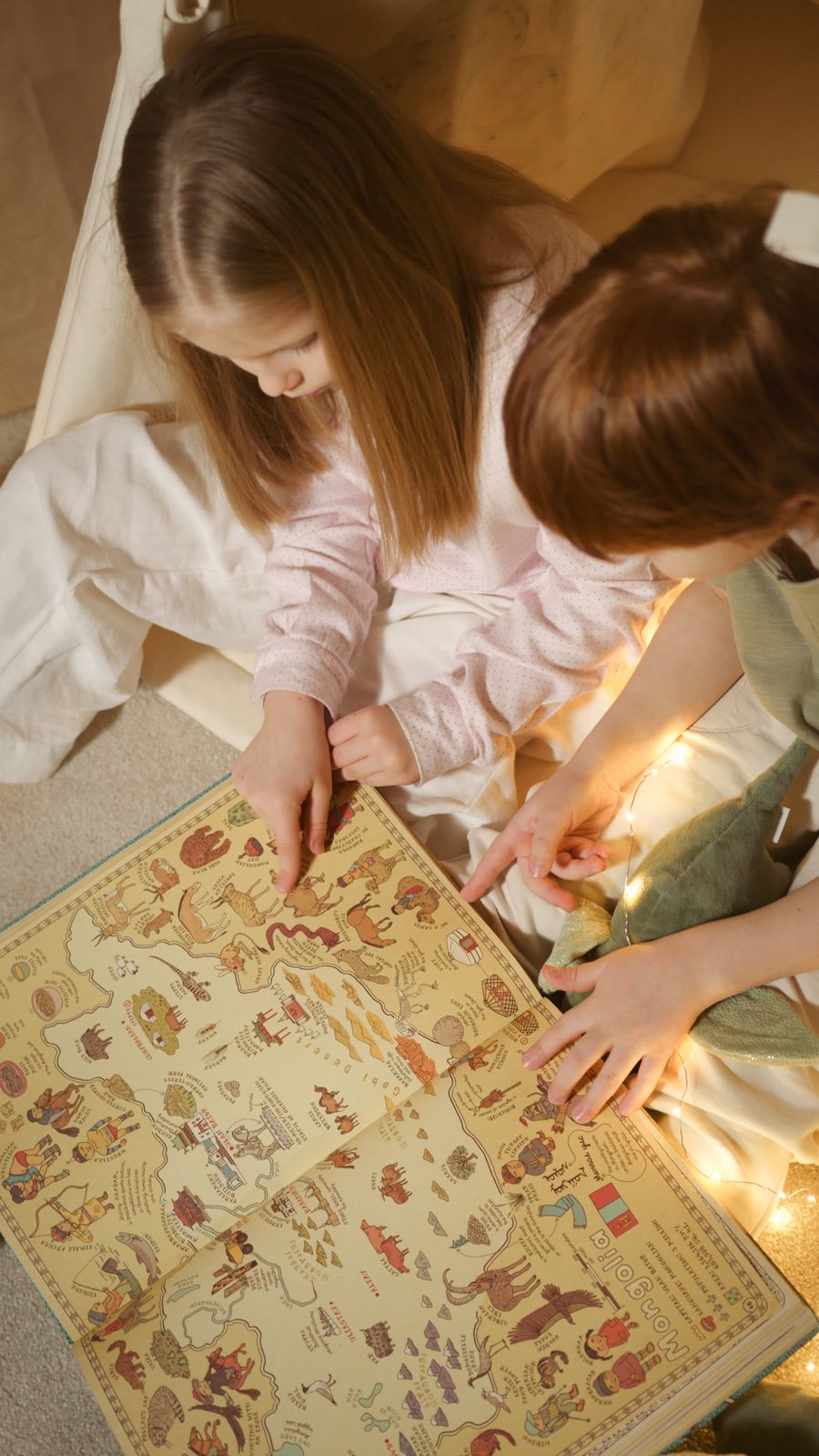
When a child’s Russian stops developing abroad
When the Russian language begins to “stop” in development: we understand why it is important for a child abroad, what signs parents notice and what helps without pressure.

How to maintain Russian without daily classes
How to maintain Russian without daily classes: understand why it is important for a child abroad, what signs parents notice and what helps without pressure.
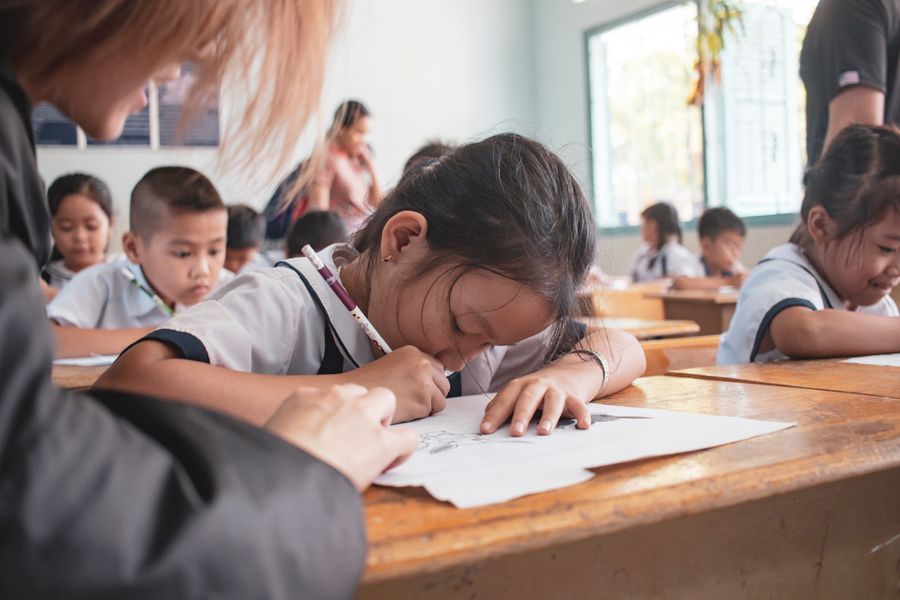
Russian language for children in Dubai
Learn why it is important for a child abroad, what signs parents notice and what helps without pressure.
Not sure whether your child’s language level is age-appropriate?
We’ll run a short assessment and explain what to focus on next.
Assess your child’s level