Start with the goal
‘Russian lessons’ can mean very different things. One child may need richer spoken Russian, another may need reading and writing, a complete beginner needs Russian as an additional language, while a teenager needs age-appropriate discussion rather than primary-school materials.
A strong school does not place every child on the same programme. It asks where Russian is used, which language the child studies in and whether speaking, understanding, reading or writing is strongest.
- Maintaining Russian in a different language environment
- Russian for a complete beginner
- Reading and writing
- Academic Russian for school-age children and teenagers
Look closely at the assessment
Age and school year do not define a bilingual child’s level. A child may speak comfortably with family but read slowly, understand stories but answer in English, or write familiar words without controlling grammar.
Ask whether each skill is assessed separately and whether the school explains the starting point. Our guide to assessing a child’s Russian level can help you prepare.
Consider the teacher and the lesson itself
Experience in a mainstream Russian school is useful, but it does not automatically mean that a teacher understands bilingual development. The teacher should recognise cross-language influence, explain clearly and choose materials by language level as well as age.
During a trial or first lesson, notice how much your child speaks, whether the task has a clear purpose and whether feedback is specific and encouraging.
Questions to ask before enrolling
Look for specific answers about teaching, progress and what happens if the first format is not the right fit.
- How is the initial assessment carried out?
- How are individual programmes and groups formed?
- How is progress shared with parents?
- Is homework included and how long should it take?
- What are the rules for missed lessons and teacher changes?
- Can the timetable work across your time zone?
Move from comparing to choosing
Explore LUMI’s Russian abroad programme, reading and writing course and individual programme. Compare how well each option fits your child rather than how many promises appear on the page.
If you are unsure where to begin, use the LUMI assessment form and include your child’s age, country, school language and main goal.
Related articles

Online Russian Schools for Bilingual Children: What to Look For
How to choose an online Russian school for a bilingual child: skills assessment, programme design, group placement and questions for the school.
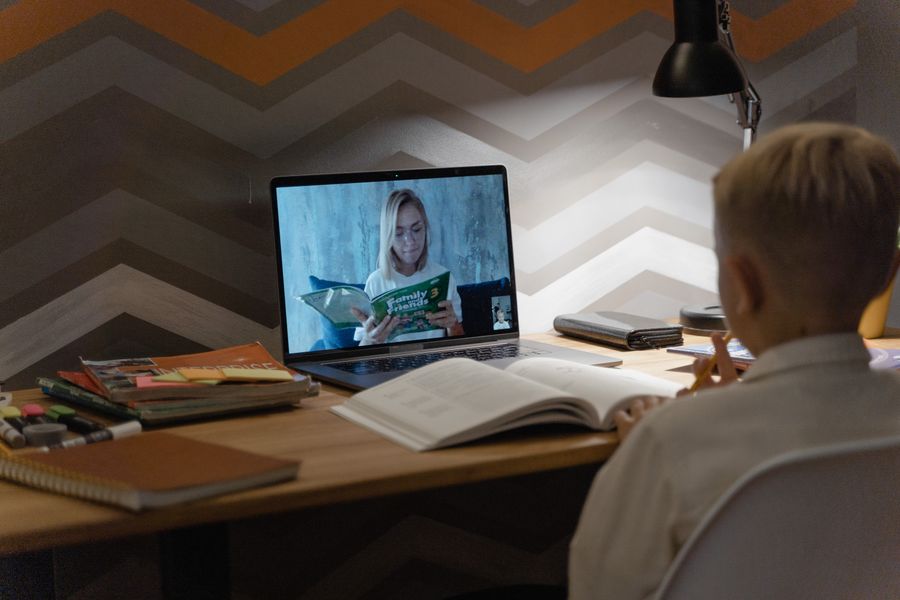
Choosing Online Russian Lessons for a Complete Beginner
How to choose online Russian lessons for a complete beginner: teaching approach, language support, first-lesson preparation and signs of progress.
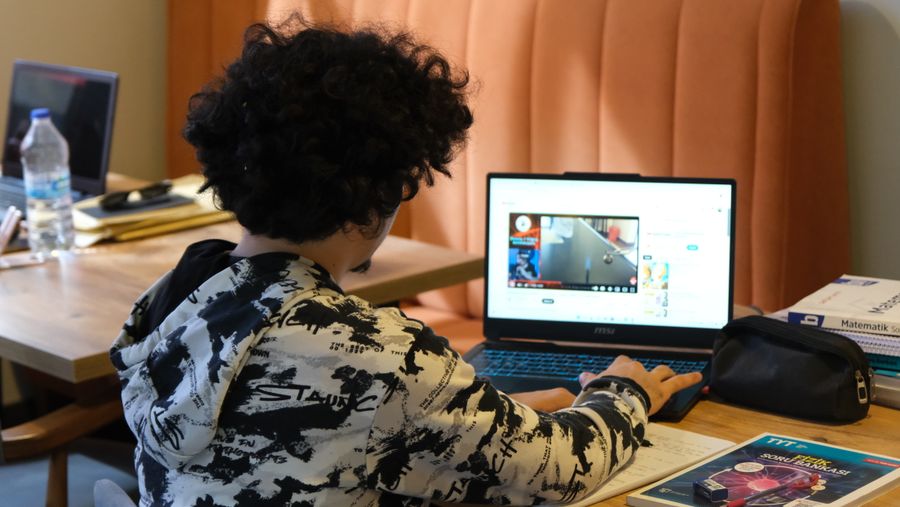
Online Russian Classes for Teenagers Abroad: How to Choose the Right Programme
How to choose online Russian classes for a teenager abroad: goals, materials, motivation, independence and exam preparation.
Not sure which Russian programme fits your child?
We’ll assess the starting point and explain what to focus on next.
Assess your child’s level