One level cannot describe every skill
Saying that a child ‘speaks Russian’ does not show the whole picture. They may understand family conversations but lack the vocabulary to retell a story, explain a reason or discuss a school topic. Reading and writing may be several years behind spoken language.
Our article on a bilingual child’s home-only vocabulary explains why this happens.
How bilingual teaching differs
Materials written for children educated in Russian assume a broad vocabulary and familiarity with school instructions. A bilingual child can be bright and knowledgeable yet get stuck on uncommon words or formal phrasing.
A suitable programme keeps topics age-appropriate while adjusting the language load. Complex ideas can be discussed through accessible texts, while grammar is connected to speaking, reading and writing.
What a useful assessment covers
Ask the school to look separately at listening, independent speaking, vocabulary, reading, comprehension and writing. The outcome should be a clear short-term priority, not just a broad level label.
- What the child understands without translation
- How fully they answer
- How they read familiar and unfamiliar words
- Whether they understand the text
- Which writing errors keep recurring
How a group should be formed
Age matters for interests and social connection, but children should also have reasonably similar language profiles. A beginner speaker and a confident essay writer are unlikely to receive enough focused practice in the same group.
Ask about group size, speaking time, movement between levels and the option to change format if the pace is not right.
Find the right programme
LUMI offers Russian for bilingual children and a Russian abroad programme. The right choice depends on your child’s current skill profile and your family’s goal.
Use the assessment form to identify which skills need attention now.
Related articles

How to Choose an Online Russian School for a Child Living Abroad
How to choose an online Russian school for a child abroad: programmes, assessment, teachers, parent feedback and questions to ask before enrolling.
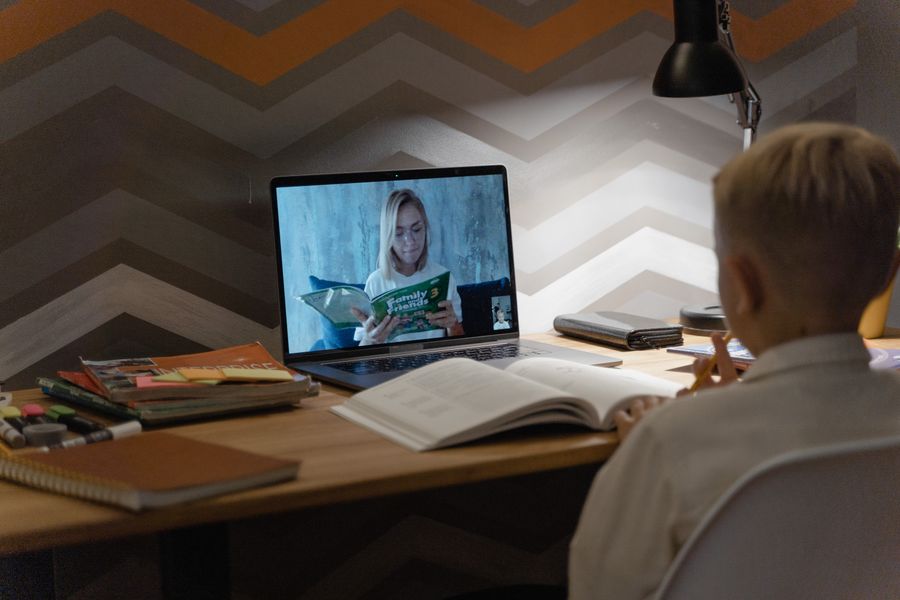
Choosing Online Russian Lessons for a Complete Beginner
How to choose online Russian lessons for a complete beginner: teaching approach, language support, first-lesson preparation and signs of progress.
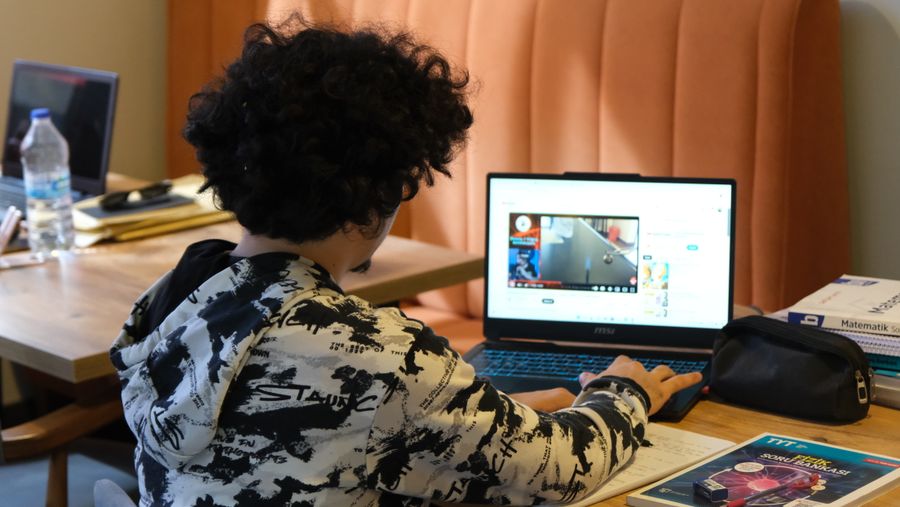
Online Russian Classes for Teenagers Abroad: How to Choose the Right Programme
How to choose online Russian classes for a teenager abroad: goals, materials, motivation, independence and exam preparation.
Not sure which Russian programme fits your child?
We’ll assess the starting point and explain what to focus on next.
Assess your child’s level