Why it's hard to hold on
In English, subjects do not have such a grammatical kind as in Russian. The table is not "he," the book is not "she," the window is not "it." Therefore, for a child who studies and lives in English, the Russian system may seem strange.
Even if your child knows the word, he still needs to agree with him an adjective, a pronoun and sometimes a verb. It's a big load for live speech.
Why a child may know the rule but still be wrong
In the lesson, your child can correctly say that “mother” is female, and “home” is male. But in conversation, he thinks about the meaning, looks for words, builds a phrase and does not have time to check the form.
Therefore, the genus is fixed not only through explanation, but through many repetitions in natural phrases: my house, my book, my window, a beautiful house, a beautiful cup.
Which words are particularly complex
Words where the ending does not help or confuse: dad is male, grandfather is male, coffee can cause questions, animals and professions are often confused.
A separate difficulty is new book and school words. If a child rarely hears them, he does not have time to remember not only the meaning, but also grammatical behavior.
How to Help Without Pressure
It is better to correct not with a sharp “wrong”, but with a soft repetition: your child said “my mother”, the adult answers: “Yes, my mother says that too.” So the right form appears in conversation without shame.
Classes work well triage by childbirth, descriptions of pictures, games "my-my-my" and short stories, where your child many times uses the desired forms in speech. If your child does not have enough words to build such phrases, it is useful to read the article. vocabulary.
Related articles
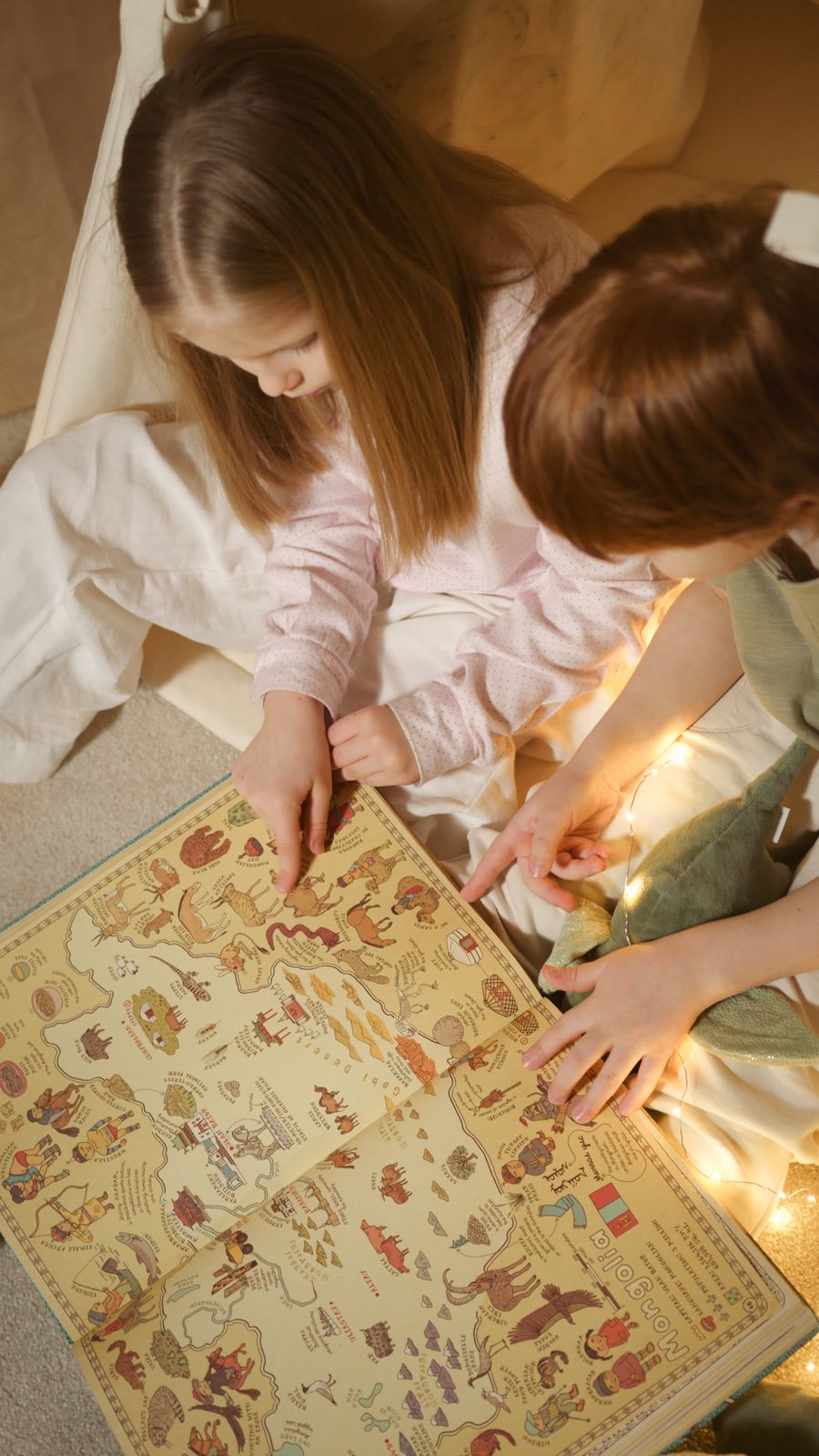
When a child’s Russian stops developing abroad
When the Russian language begins to “stop” in development: we understand why it is important for a child abroad, what signs parents notice and what helps without pressure.

How to maintain Russian without daily classes
How to maintain Russian without daily classes: understand why it is important for a child abroad, what signs parents notice and what helps without pressure.
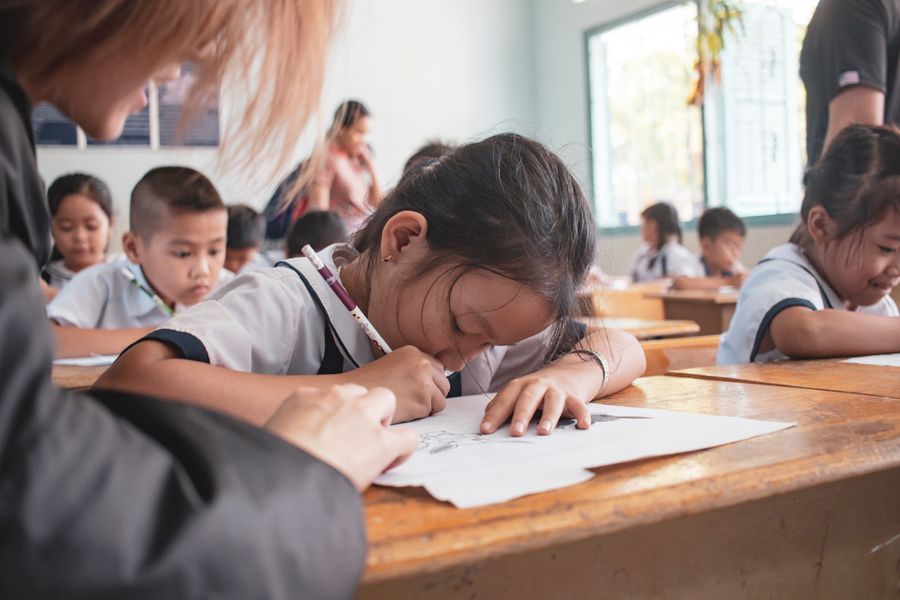
Russian language for children in Dubai
Learn why it is important for a child abroad, what signs parents notice and what helps without pressure.
Not sure whether your child’s language level is age-appropriate?
We’ll run a short assessment and explain what to focus on next.
Assess your child’s level